




Soft dimming vanity lighting can significantly influence the aesthetic and functional performance of a luxury bathroom. This article explores the various aspects of integrating such lighting, from technical specifications to design considerations, aiming to provide a comprehensive understanding for individuals considering this enhancement.
Soft dimming refers to a lighting technology that allows for a gradual and smooth reduction in light intensity, often to very low levels, without flickering or color shift. This contrasts with traditional dimming, which can sometimes produce abrupt changes or introduce unwelcome visual artifacts. In the context of vanity lighting, soft dimming provides a nuanced control over the light Martliving environment.
Technical Aspects of Soft Dimming
The smooth transition offered by soft dimming is primarily achieved through advanced dimmer technologies and compatible light sources.
Dimmer Compatibility
Modern dimmers often employ pulse-width modulation (PWM) or phase-cut dimming (leading edge or trailing edge). LED light sources require specific dimmer types for optimal performance. Using an incompatible dimmer can lead to flickering, buzzing, reduced lifespan of the LED, or an inability to dim to desired levels. For luxury bathrooms, constant-current dimmable LED drivers are frequently preferred for their stability and wide dimming range.
Light Source Selection
While incandescent bulbs dim linearly, their energy inefficiency makes them less suitable for contemporary applications. LED technology, though more complex to dim smoothly, offers superior energy efficiency and longevity. When selecting LED bulbs or fixtures, look for “dimmable” specifications and consider their dimming range, often expressed as a percentage (e.g., dims down to 1%). Some LEDs are specifically designed for “warm dimming,” where the color temperature shifts to a warmer hue as the light dims, mimicking incandescent behavior, which can be desirable in a luxury setting.
Control Systems
Beyond wall-mounted dimmers, integrated smart home systems can provide advanced control over soft dimming vanity lighting. These systems offer programmable scenes, remote access, and integration with other bathroom functionalities, allowing for customized lighting experiences.
Architectural and Design Integration
The seamless integration of soft dimming vanity lighting within the bathroom’s overall design is crucial for achieving a cohesive luxury aesthetic. This involves considering fixture placement, material choices, and how the lighting complements other design elements.
Fixture Placement and Orientation
The primary function of vanity lighting is to illuminate the face evenly without creating harsh shadows. Soft dimming capability further refines this.
Lateral Sconces or Pendants
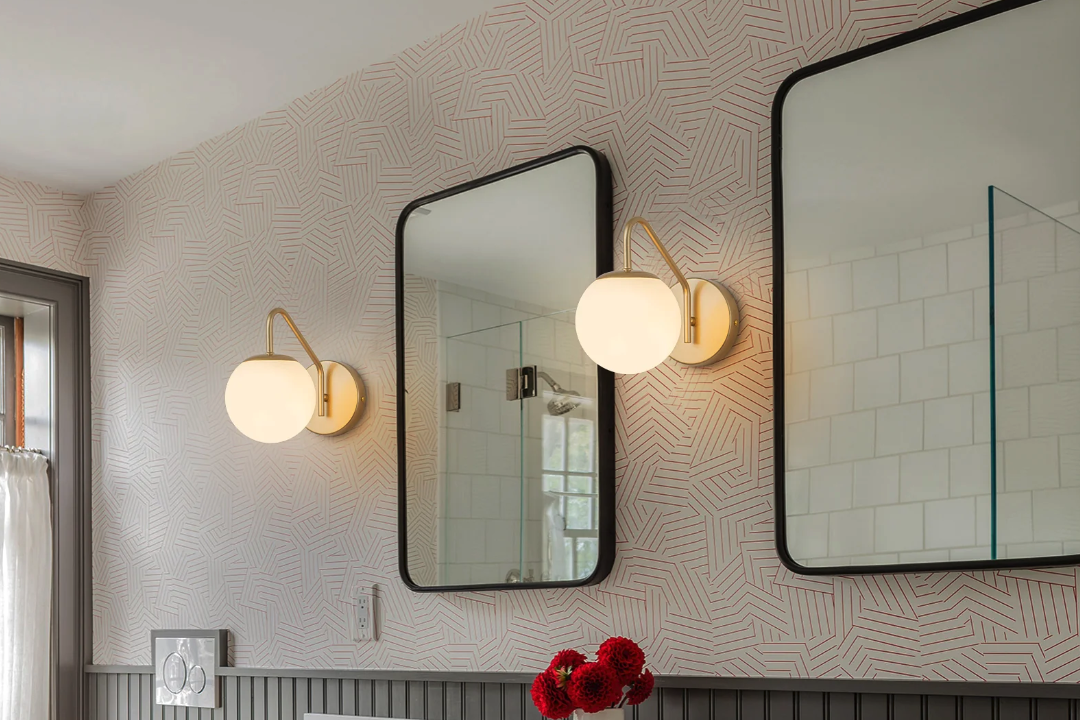
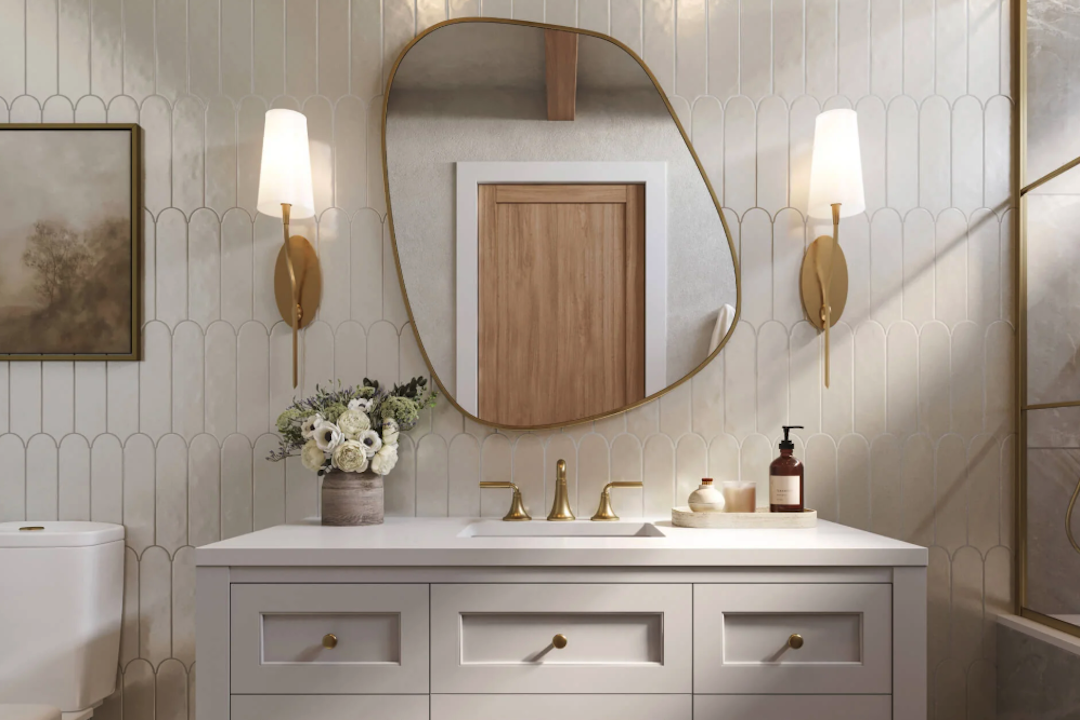
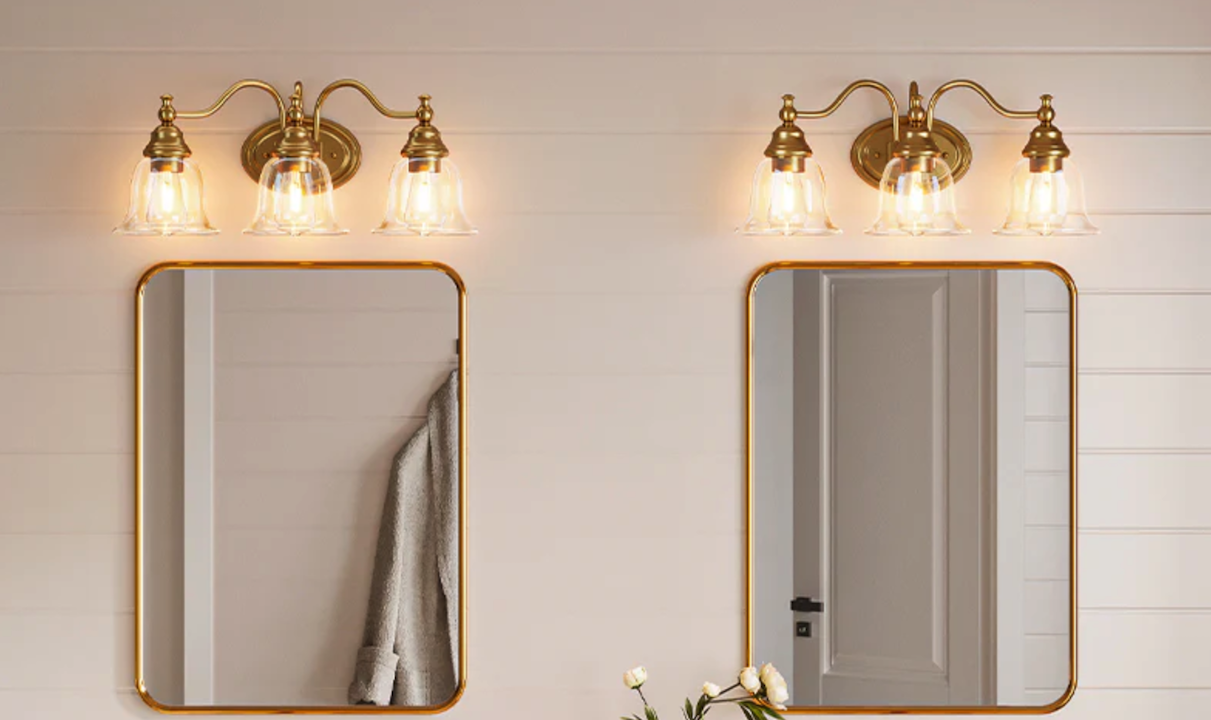
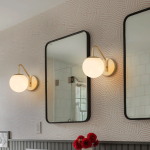
Placing symmetrical sconces or pendants at eye level on either side of the mirror is generally recommended for optimal facial illumination. This horizontal distribution minimizes shadows under the chin and eyes. With soft dimming, these fixtures can be adjusted from a bright, functional light for grooming to a subtle glow for relaxation.
Overhead Lighting
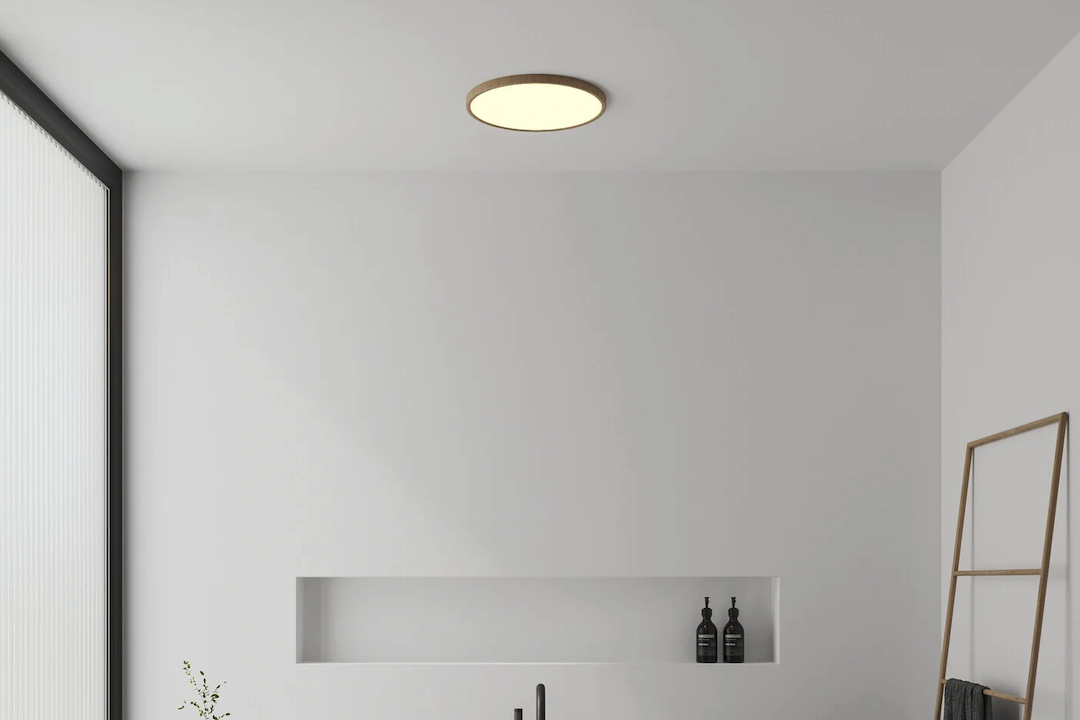
While overhead can lights can provide general ambient illumination, relying solely on them for vanity lighting can create harsh shadows by shining down from above. If used in conjunction with side lighting, they should be dimmable and positioned to fill in gaps rather than dominate the lighting scheme. The soft dimming feature allows for the overhead light to be dialed back when intimate task lighting is preferred.
Integrated Mirror Lighting
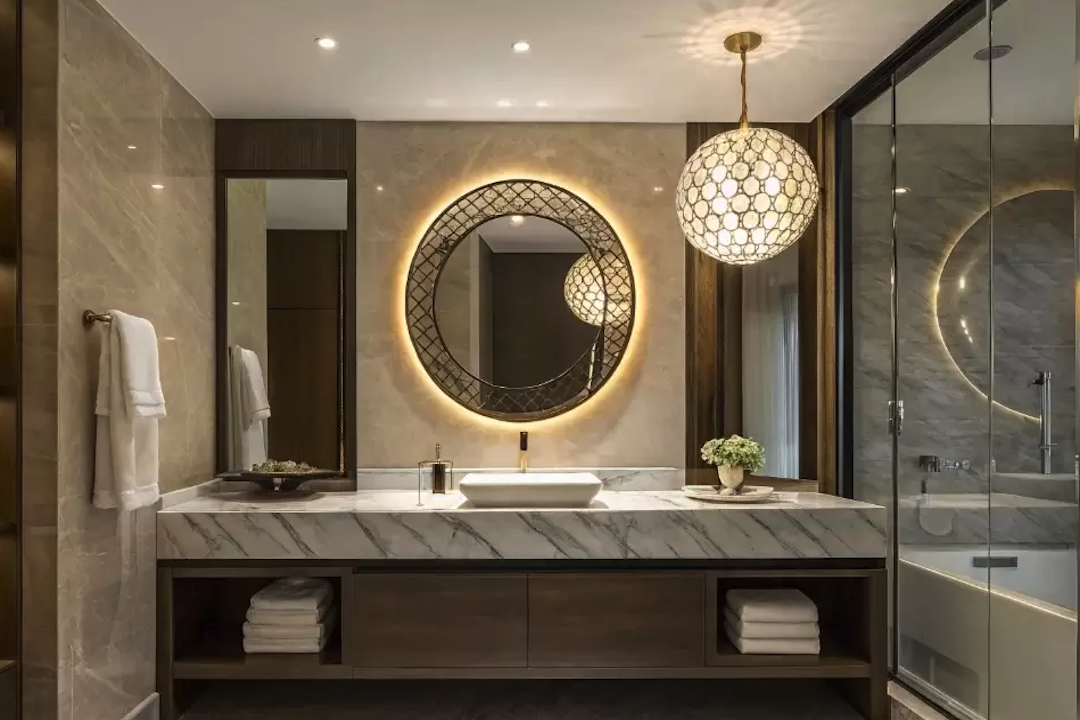
Many luxury mirrors now feature integrated LED lighting, often with dimming capabilities. These can be perimeter lights (backlit or front-lit) or lights embedded directly into the mirror surface. When integrated, the soft dimming allows for a clean, minimalist aesthetic while maintaining functional flexibility.
Material and Finish Selection
The materials and finishes of the lighting fixtures should harmonize with the bathroom’s aesthetic. Metals such as brushed nickel, polished chrome, or matte black are common. Glass shades in frosted or etched finishes can diffuse light, contributing to a softer illumination. Dimming capability enhances the perceived quality of these materials by allowing their textures and reflections to be viewed under varied light intensities.
Functional Benefits in a Luxury Context
Beyond aesthetics, soft dimming vanity lighting offers several practical advantages that align with the expectations of a luxury bathroom. These benefits contribute to comfort, versatility, and energy efficiency.
Enhanced User Comfort and Well-being
The ability to adjust light levels directly impacts user comfort. Harsh, bright light can be jarring, especially early in the morning or late at night.
Circadian Rhythm Support
By adjusting light intensity and potentially color temperature, soft dimming can support the body’s natural circadian rhythm. Brighter, cooler light in the morning can aid alertness, while warmer, dimmer light in the evening can promote relaxation and prepare the body for sleep. This subtle yet significant feature transcends basic illumination, becoming a catalyst for well-being.
Glare Reduction
Dimming the lights directly reduces glare, making grooming tasks more comfortable. Excessive brightness can cause eye strain and make it difficult to see accurately. Soft dimming provides the user with control, like adjusting the volume on a complex piece of audio equipment, to find the perfect level of visual input.
Versatility for Diverse Activities
A luxury bathroom is often a multi-functional space, accommodating various activities from detailed grooming to leisurely soaking.
Task Illumination
For precision tasks such as shaving, applying makeup, or styling hair, bright, even, and consistent light is essential. Soft dimming allows the user to quickly achieve this optimal level of brightness without compromise.
Mood Lighting
When the primary function transitions from task-oriented to relaxation, such as during a bath, the lighting can be subtly dimmed to create a serene and tranquil atmosphere. The light becomes a paintbrush, allowing the user to create the desired ambiance on the canvas of their surroundings. This adaptability transforms the bathroom from a purely functional room into a sanctuary.
Energy Efficiency and Longevity
While luxury often emphasizes quality and experience, energy efficiency remains an important consideration. Soft dimming, particularly with LED technology, contributes to both.
Reduced Energy Consumption
Dimming an LED light source reduces its power consumption proportionally. While a fully dimmed LED still draws some power, significant energy savings are realized over time, especially when compared to traditional lighting that is either on or off at full power. This aligns with environmentally conscious design principles without compromising performance.
Extended Lifespan of Light Sources
Operating LEDs at lower light levels (i.e., dimmed) reduces the stress on their internal components, leading to a longer operational lifespan. This translates to fewer bulb replacements, reducing maintenance requirements and costs over the long term, which is a desirable characteristic in a high-end application.
Installation and Maintenance Considerations
Implementing soft dimming vanity lighting effectively requires attention to installation details and ongoing maintenance practices to ensure optimal performance and longevity.
Professional Installation
Given the specific wiring requirements, compatibility nuances between dimmers and LED drivers, and the integration with potential smart home systems, professional installation is strongly advised. An experienced electrician can ensure proper wiring, correct dimmer selection, and adherence to local building codes, preventing potential issues such as flickering, buzzing, or premature component failure.
Wiring Requirements
Modern dimming systems, especially those for low-voltage LED fixtures, may require specific wiring configurations (e.g., neutral wire for some smart dimmers, or dedicated dimming control wires for certain LED drivers). These details are critical for reliable operation.
System Calibration
After installation, some advanced dimming systems may require calibration to achieve their full dimming range and smooth transitions. This ensures that the lowest dimming level is truly “off” if desired, and that there are no abrupt jumps in brightness.
Ongoing Maintenance
While LEDs are known for their longevity, periodic checks can help maintain performance.
Cleaning Fixtures
Dust and residue can accumulate on light fixtures and diffusers, reducing light output and potentially affecting soft dimming performance. Regular, gentle cleaning, using appropriate cleaning agents for the fixture’s materials, helps preserve both aesthetics and functionality.
Driver and Component Checks
In the rare event of flickering or erratic dimming behavior, a qualified technician may need to inspect the LED driver or dimmer module. These components, while robust, are the primary points of failure in an otherwise long-lasting LED system. Addressing issues promptly can prevent escalating problems.
Future Trends in Luxury Bathroom Lighting
The evolution of lighting technology continues to offer new possibilities for luxury bathrooms. Future trends are likely to further enhance the capabilities of soft dimming vanity lighting.
Advanced Warm Dimming
While current warm dimming LEDs shift color temperature as they dim, future iterations may offer broader and more precise control over the chromaticity, allowing for an even wider spectrum of atmospheric options. This includes the ability to mimic specific light sources, such as candlelight, with greater accuracy.
Human-Centric Lighting Integration
Human-centric lighting (HCL) aims to synchronize lighting with human biological needs. In a luxury bathroom, this could mean highly personalized lighting schedules that automatically adjust intensity and color temperature throughout the day based on the user’s preferences, wake-up times, and even seasonal changes. Soft dimming is a fundamental component of HCL, enabling the smooth transitions required for such systems.
Seamless Integration with Smart Surfaces
As smart surfaces become more prevalent, future vanity lighting might be seamlessly integrated into mirrors, countertops, or wall panels, becoming virtually invisible when off. Soft dimming controls would then be integrated directly into these surfaces, potentially activated by touch or gesture, further enhancing the minimalist aesthetic and user experience.
Enhanced Tunable White Capabilities
Tunable white lighting allows for adjustment of color temperature from warm to cool, independent of brightness. When combined with soft dimming, this creates an unparalleled level of control, allowing users to precisely set both the intensity and the “feel” of the light. This level of customization allows the light itself to adapt to individual moods and tasks, transcending basic illumination to become an integral element of personalized comfort and well-being.
By carefully considering these aspects, one can effectively integrate soft dimming vanity lighting into a luxury bathroom, creating a space that is both visually appealing and highly functional.