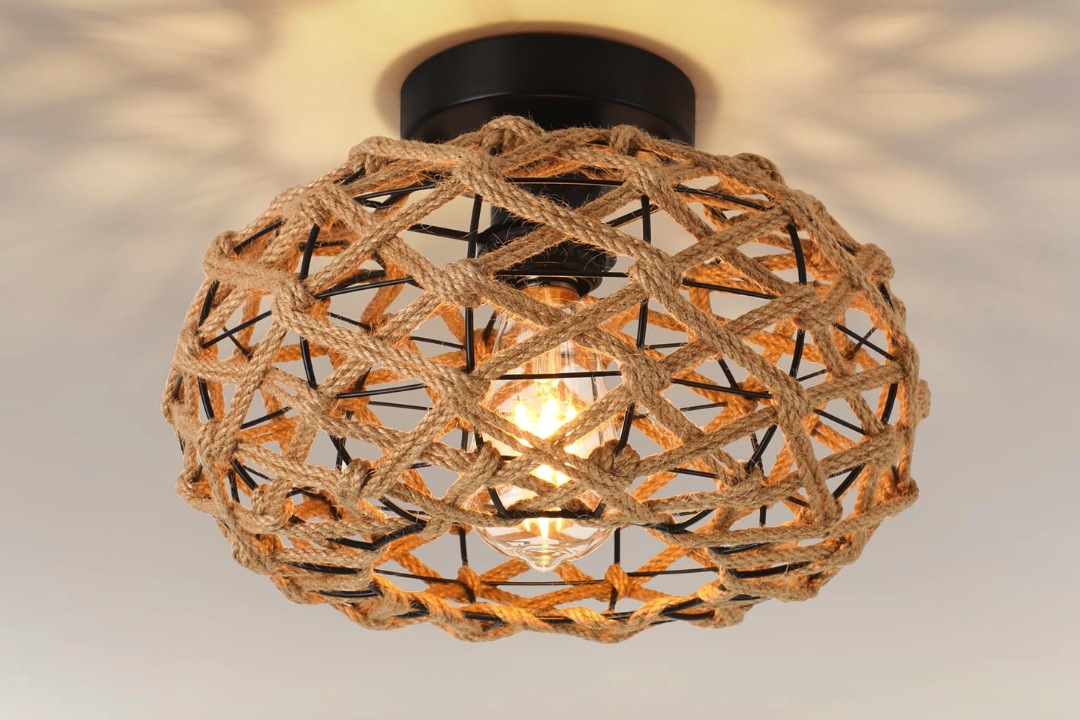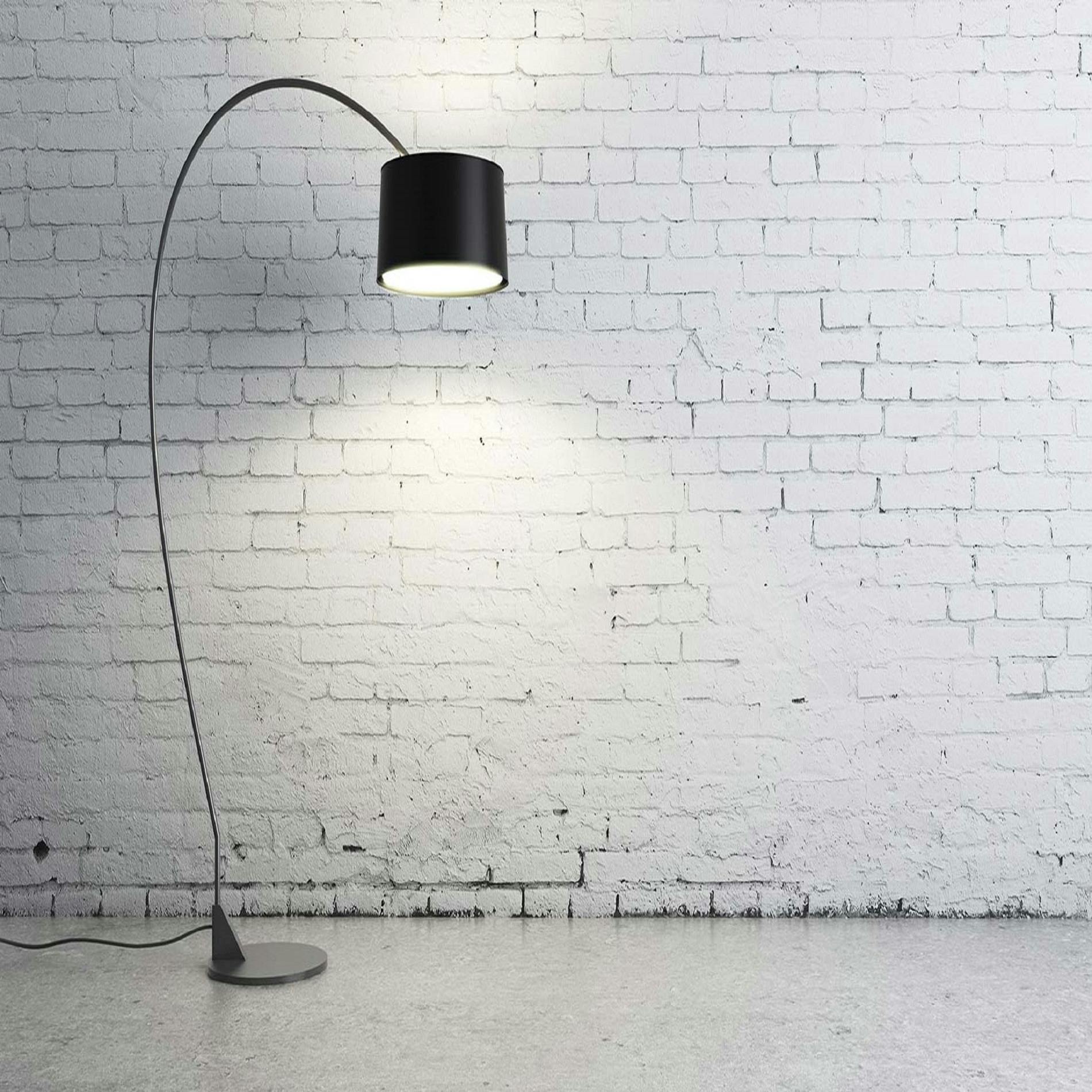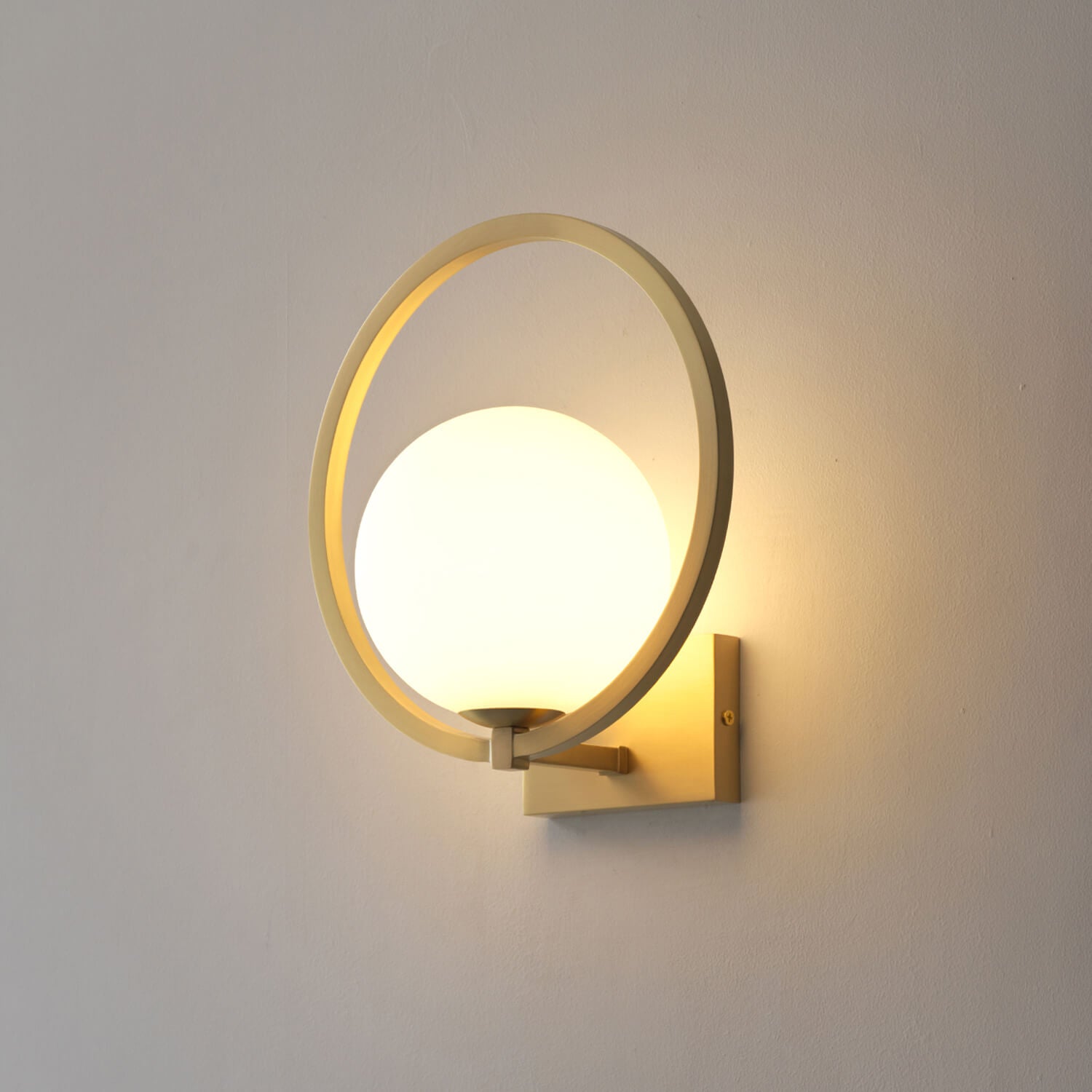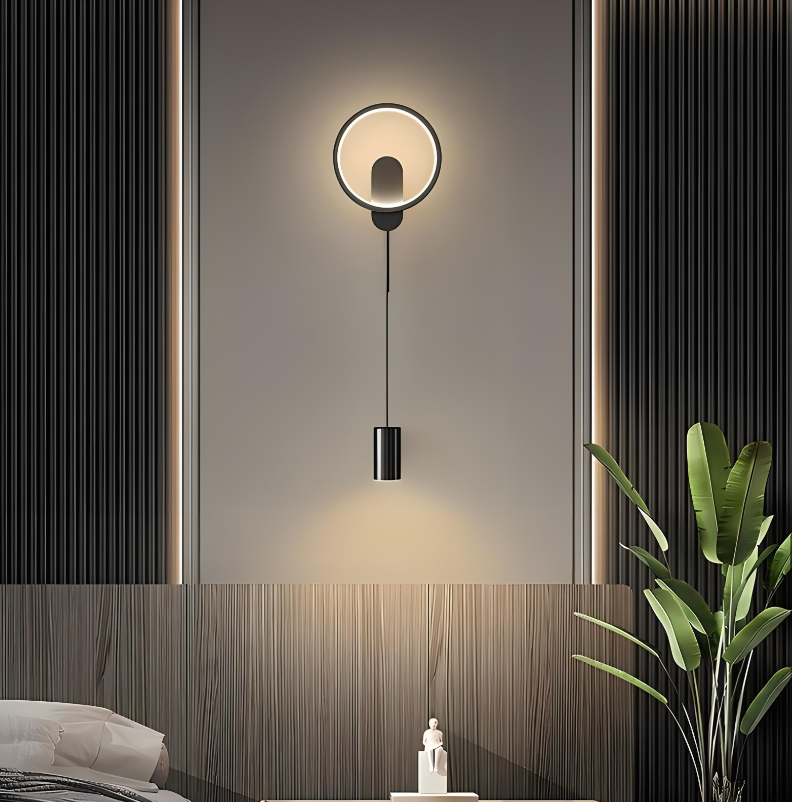

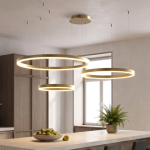
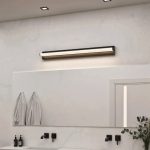

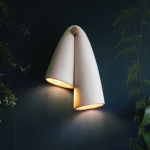
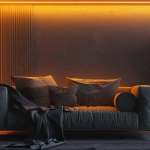


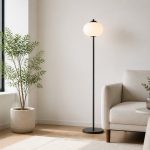
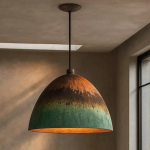
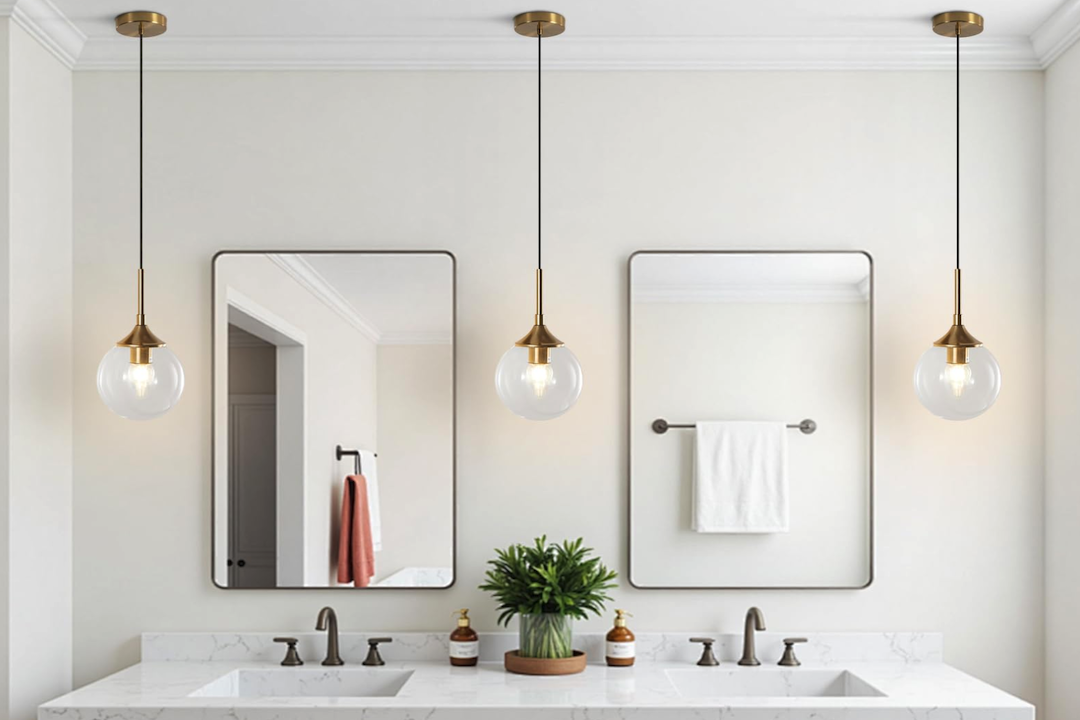
The convergence of lighting design and material science has in recent years yielded innovative solutions for atmospheric illumination. Among these, the application of high-translucency gradient glass in lamps offers a distinct approach to interior ambiance. This article explores the technical characteristics, design principles, and practical implications of incorporating such lighting fixtures into various environments.
Understanding the operational characteristics of high-translucency gradient glass necessitates an examination of its fabrication and optical properties. This section delves into the manufacturing processes and the physical phenomena that govern its light-diffusing capabilities.
Glass Composition and Manufacturing
Gradient glass is not a monolithic material with a uniform composition. Instead, its distinctive properties arise from precisely controlled variations in its structure.
- Layered Deposition: The primary method involves depositing multiple layers of glass or glass-like materials onto a substrate. Each layer can have a slightly different chemical composition or physical structure, influencing its refractive index and light Garralighting scattering properties. Techniques like chemical vapor deposition (CVD) or physical vapor deposition (PVD) are often employed, allowing for fine control over layer thickness and material distribution.
- Controlled Annealing: After deposition, the glass often undergoes controlled annealing processes. This heat treatment helps to fuse the layers, relieve internal stresses, and further refine the optical properties. For gradient effects, the annealing profiles might be varied across the glass surface to enhance or diminish certain characteristics.
- Dopants and Pigments: To achieve color gradients or specific light transmission characteristics, various metallic oxides or fine particulate pigments can be introduced during the manufacturing process. These dopants interact with light at different wavelengths, either absorbing certain colors or scattering them more effectively. The concentration of these dopants can be varied along the glass to create the gradient effect.
Optical Properties and Light Manipulation
The defining feature of high-translucency gradient glass is its ability to modulate light transmission in a non-uniform manner across its surface. This is a result of carefully engineered optical properties.
- Refractive Index Graduation: The core of the gradient effect lies in a varying refractive index across the glass. Light passing from one medium to another with a different refractive index will bend. By gradually changing the refractive index of the glass, light can be directed and diffused in a controlled manner, preventing harsh shadows and creating a soft, diffused glow.
- Scattering Mechanisms: Within the glass matrix, microscopic inhomogeneities or embedded nanoparticles can cause light scattering. In gradient glass, the density and size distribution of these scattering centers can be varied. Areas with higher scattering density will appear more opaque and diffuse light more broadly, while areas with lower density will allow more direct light transmission, creating the “high-translucency” effect.
- Wavelength-Dependent Transmission: Certain gradient glasses are designed to selectively transmit or block specific wavelengths of light. This can be achieved through the introduction of specialized dopants or by engineering the microstructure to create photonic band gaps. This allows for color shifting in the emitted light, further enhancing the “warm” aesthetic.
Design Principles for Ambient Lighting
The application of high-translucency gradient glass in lamp design is not solely about material innovation; it also involves sophisticated principles of industrial design and optical engineering. These principles dictate how the material is integrated into a functional and aesthetically pleasing luminaire.
Form and Function Integration
The physical form of the lamp housing and the gradient glass diffuser are intrinsically linked, each influencing the other’s effectiveness.
- Geometric Considerations: The shape of the glass diffuser plays a pivotal role in how light is distributed. A spherical diffuser will broadcast light broadly, while a conical or cylindrical form will direct it more specifically. Gradient effects can be tailored to these geometries, for instance, by making the gradient stronger at the top of a pendant lamp to cast light downwards more directly while still diffusing it horizontally.
- Light Source Alignment: The placement and type of the light source (LED, incandescent, etc.) relative to the gradient glass are critical. A centrally located, omnidirectional source will interact differently with the gradient than a directional LED array. Designers must consider how the light source’s emission pattern aligns with the diffusion characteristics of the glass to achieve desired lighting effects.
- Material Complementarity: The lamp’s other components, such as its base, stem, or canopy, should complement the visual and functional aspects of the gradient glass. Materials like brushed metals, natural wood, or matte-finished plastics can enhance the lamp’s aesthetic without competing with the glass for visual dominance.
Controlled Light Emission Profiles
The primary objective of using gradient glass in lighting is to create a specific, controlled light emission profile that contributes positively to an environment.
- Softening High Luminance: One significant benefit of gradient glass is its ability to soften the intense luminance of modern light sources, particularly LEDs. It functions as a visual buffer, reducing glare and eye strain by diffusing direct light rays. This is particularly relevant in task lighting or fixtures where the light source might be exposed.
- Illusion of Depth and Volume: The gradient effect can create an optical illusion, making the light source appear to recede or emanate from a larger, amorphous area within the glass. This imbues the emitted light with a greater sense of depth and volume, rather than appearing as a stark point source.
- Strategic Light Direction: By varying the translucency, designers can strategically direct light. For instance, a stronger gradient at the top of a lampshade might prevent upward light spill, concentrating illumination downwards, while a more subtle gradient at the sides allows for ambient diffusion. This control helps in preventing light pollution or unwanted glare in specific zones.
Creating “Warm Vibes”: Perceptual and Psychological Impact
The term “warm vibes” refers to subjective perceptions of comfort, coziness, and a welcoming atmosphere. High-translucency gradient glass lamps contribute to these perceptions through specific optical and psychological mechanisms.
Color Temperature and Spectral Distribution
The perceived “warmth” of light is fundamentally linked to its color temperature and spectral composition.
- Lower Correlated Color Temperature (CCT): “Warm” light generally corresponds to lower CCT values, typically in the range of 2700K to 3000K, which is comparable to incandescent lighting. Gradient glass can be engineered to subtly shift the color temperature of light sources towards these warmer hues, even if the primary light source is cooler. This is achieved by pigments or dopants that preferentially absorb blue light or scatter red and yellow wavelengths more effectively.
- Enhanced Red and Yellow Wavelengths: Human physiology is attuned to respond positively to light enriched with red and yellow wavelengths. These colors are associated with natural phenomena like sunsets and firelight. Gradient glass can be designed to enhance these parts of the spectrum, making the light appear richer and more inviting. This contributes to a sense of relaxation and well-being.
- Reduced Blue Light Exposure: While not fully blocking blue light, gradient glass can mitigate its most intense wavelengths. Excessive blue light, particularly in the evening, can interfere with circadian rhythms. By diffusing and subtly filtering harsh blue components, these lamps contribute to a more conducive environment for rest and unwinding.
Diffusion and Softness of Light
Beyond color, the way light is distributed and its perceived softness are critical to creating a “warm” atmosphere.
- Absence of Harsh Shadows: Direct, undiffused light sources often produce stark, clearly defined shadows. Gradient glass, by scattering and redirecting light, minimizes these harsh shadows, replacing them with softer, more diffuse penumbras. This creates a visually less aggressive environment, reducing visual clutter and fostering a sense of calm.
- Even Illumination: The diffusion properties of gradient glass promote more even light distribution across a space. Instead of bright spots and dark corners, the illumination feels more homogenous, creating a visual uniformity that often translates to a feeling of order and tranquility.
- Visual Comfort: High-translucency gradient glass significantly improves visual comfort by reducing direct glare. Direct exposure to a high-luminance light source can be startling and uncomfortable. The glass acts as a barrier, transforming intense point sources into broader, softer emanations, making the light more pleasant to observe directly or indirectly.
Applications and Versatility in Interior Design
The unique characteristics of high-translucency gradient glass lamps lend themselves to a wide array of interior design contexts, from residential to commercial.
Residential Environments
In residential spaces, the primary goal is often to create inviting and comfortable living conditions.
- Living Rooms and Bedrooms: In these areas, soft, ambient lighting is paramount. A gradient glass pendant or table lamp can provide a central source of warmth without being overpowering. The diffused light reduces glare on screens and fosters a relaxed atmosphere conducive to conversation or rest.
- Dining Areas: Overhead gradient glass lamps can illuminate a dining table with a gentle glow, enhancing the visual appeal of food and encouraging a leisurely dining experience. Unlike direct spotlights, which can create strong contrasts, the diffused light creates a more intimate setting.
- Reading Nooks: A well-placed gradient glass floor or table lamp can provide sufficient illumination for reading without causing eye strain. The diffused light prevents harsh contrasts on the page, allowing for prolonged periods of comfortable reading. The “warm” glow also contributes to the cozy atmosphere often sought in reading spaces.
Commercial and Hospitality Settings
Beyond the home, these lamps offer functional and aesthetic benefits in a variety of commercial environments.
- Restaurants and Cafes: In these establishments, ambiance is a significant factor in customer experience. Gradient glass lamps can create an intimate and inviting atmosphere that encourages customers to linger. Their ability to soften light contributes to a welcoming environment, contrasting with overly bright or sterile commercial lighting.
- Boutique Hotels and Lobbies: For establishments aiming to create a luxurious and sophisticated feel, gradient glass lamps can serve as statement pieces while providing practical illumination. Their unique aesthetic contributes to the overall interior design narrative, making spaces feel discerning and special. The soft light also helps guests to feel relaxed upon arrival.
- Wellness and Spa Environments: In settings dedicated to relaxation and well-being, the “warm vibes” generated by these lamps are particularly beneficial. They can help create a tranquil atmosphere conducive to calming activities, minimizing visual distractions and promoting a sense of peace. The controlled light environment supports the overall therapeutic intention of such spaces.
Maintenance and Longevity
The practical aspects of owning and maintaining high-translucency gradient glass lamps are worth considering for their long-term value and sustained aesthetic appeal.
Cleaning and Care
Gradient glass, while durable, requires specific cleaning practices to maintain its optical clarity and aesthetic integrity.
- Gentle Cleaning Solutions: A microfiber cloth dampened with mild soap and water is typically sufficient for cleaning. Harsh abrasive cleaners or chemicals containing ammonia or alcohol should be avoided, as they can potentially damage the glass surface or react with any special coatings that contribute to the gradient effect.
- Avoiding Scratches and Abrasions: Despite its strength, glass can be scratched. Care should be taken to avoid contact with abrasive materials or sharp objects during cleaning or handling. For textured gradient glass, specialized brushes might be necessary to clean recessed areas without causing damage.
- Dust Accumulation: Like all lighting fixtures, gradient glass lamps will accumulate dust. Regular light dusting with an electrostatic cloth can prevent accumulation that might diminish light output or obscure the gradient effect. For pendant lamps, reaching higher fixtures for regular cleaning can be necessary.
Durability and Lifespan
The longevity of a gradient glass lamp is determined by both the glass itself and the integrated lighting components.
- Glass Resilience: Modern architectural glass, including specialized gradient variants, is engineered for durability. It is generally resistant to temperature fluctuations and common environmental stressors. However, like any glass, it is susceptible to breakage from significant impact.
- LED Integration: Most contemporary gradient glass lamps utilize LED light sources. LEDs are known for their extended lifespans, often tens of thousands of hours, which significantly reduces the need for bulb replacement. This contributes to the overall longevity and low maintenance of the fixture.
- Structural Integrity of Fixture: Beyond the glass and light source, the overall construction of the lamp – its frame, mounting hardware, and electrical components – contributes to its lifespan. Quality manufacturing ensures that these elements withstand environmental factors and retain their functional integrity over time. Regular checks of connections and stable mounting are advisable.
Conclusion
High-translucency gradient glass lamps represent a confluence of material science, optical engineering, and design aesthetics. Their ability to modulate light in a nuanced manner allows for the creation of specific atmospheric conditions, generally perceived as “warm.” By diffusing light, softening harsh luminance, and subtly influencing color temperature, these fixtures contribute to environments that are visually comfortable and psychologically inviting. Their versatility across various interior spaces, from intimate residential settings to sophisticated commercial establishments, underscores their growing relevance in contemporary lighting design. Understanding their technical underpinnings and practical considerations enables informed application and appreciation of their contribution to the illuminated environment.