






This article discusses dimmable LED ceiling lights with remote control functionality, focusing on their practical applications and technical aspects for bedroom enhancement.
The bedroom is a sanctuary, a personal space where rest, rejuvenation, and personal activities converge. Historically, bedroom lighting has often been functional, perhaps a single overhead fixture providing uniform illumination, or a bedside lamp offering localized light Woyik. However, the advent of LED technology, coupled with advancements in control systems, has introduced a new paradigm for bedroom illumination: the dimmable LED ceiling light with remote control. This innovation offers a pathway to a more adaptive, comfortable, and ultimately, enhanced bedroom environment.
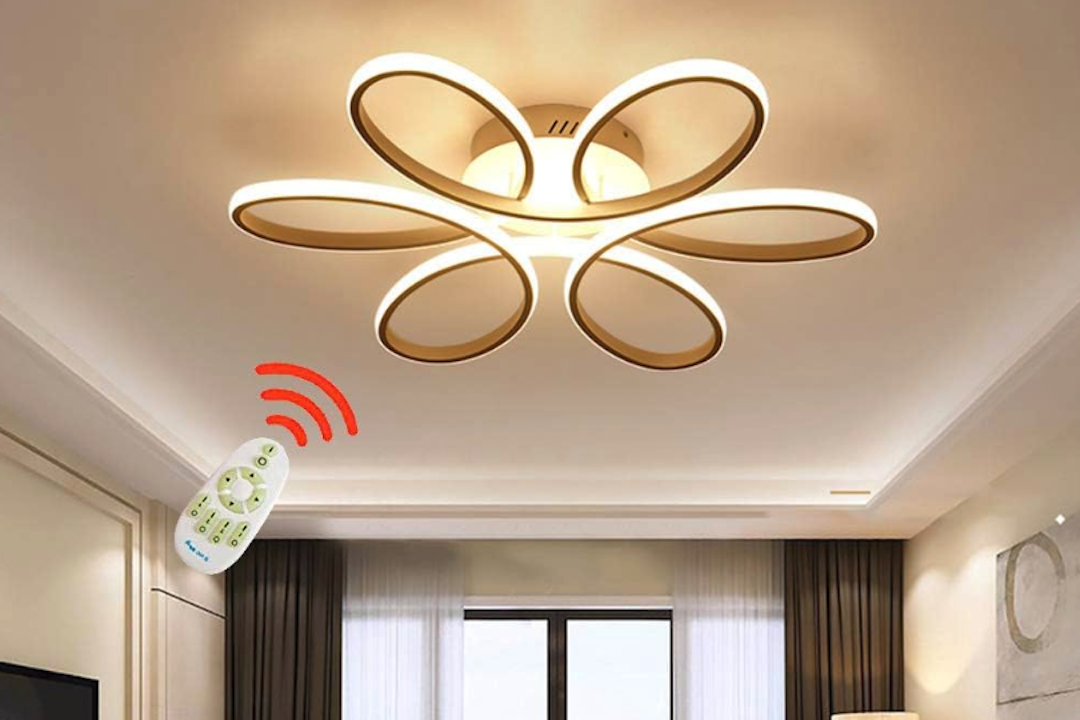
These lights are not merely a source of light; they are sophisticated tools that allow for granular control over the ambiance and utility of a bedroom. The ability to dim the light is the core feature, transforming a harsh, uniformly bright space into one that can be softened for relaxation or brightened for tasks. The integration of a remote control further elevates this convenience, removing the need to physically interact with wall switches or the fixture itself, especially when already settled in bed or busy with an activity.
The shift from traditional incandescent or fluorescent lighting to LED technology represents a significant evolution. LEDs are known for their energy efficiency, longevity, and versatility in color output. When combined with dimming capabilities, these benefits are amplified, allowing users to tailor the light to specific needs throughout the day and night. This article will explore the various facets of these lighting systems, from the foundational technology to the practical benefits and considerations for implementation within a bedroom setting.
The concept of “upgrading” a bedroom with such a lighting system speaks to more than just a cosmetic change. It implies an improvement in functionality, comfort, and potentially even the psychological well-being associated with the space. The bedroom is a room where light plays a critical role in dictating mood and facilitating activities ranging from reading to preparing for sleep. A well-chosen and properly implemented dimmable LED ceiling light can become a central element in achieving these goals.
This article aims to provide a comprehensive overview, presenting information in a factual and objective manner, allowing readers to understand the technology and its implications for their personal spaces. The goal is to empower individuals with the knowledge to make informed decisions about enhancing their bedrooms through effective lighting solutions.
Understanding LED Technology and Dimming Capabilities
At the heart of these modern lighting solutions lies Light Emitting Diode (LED) technology. LEDs are semiconductor devices that emit light when an electric current passes through them. Unlike incandescent bulbs that rely on heating a filament to produce light, or fluorescent tubes that use mercury vapor and phosphors, LEDs are significantly more energy-efficient and produce less heat. This inherent efficiency translates to lower electricity consumption and reduced operational costs over the lifespan of the fixture.
The Advantages of LED Illumination
- Energy Efficiency: LEDs consume a fraction of the energy compared to incandescent and fluorescent bulbs for the same light output (measured in lumens). This significant reduction in power consumption can lead to noticeable savings on electricity bills.
- Longevity: The operational lifespan of LED bulbs is substantially longer, often tens of thousands of hours. This means fewer replacements are needed, reducing maintenance effort and the cost associated with purchasing new bulbs.
- Durability: LEDs are solid-state devices, making them more resistant to shock and vibration than fragile filament-based bulbs.
- Instant On/Off: Unlike some fluorescent lights that require a warm-up period, LEDs reach full brightness immediately upon activation.
- Directional Light: LEDs emit light in a specific direction, which can be beneficial for focused illumination and reducing light wastage.
The Mechanics of LED Dimming
Dimming LEDs involves controlling the amount of electrical current that flows through the diodes. This is achieved through various methods, each with its own technical underpinnings. The most common methods include:
Pulse Width Modulation (PWM)
PWM is a widely used technique for dimming LEDs. It works by rapidly switching the LED on and off at a high frequency. The perceived brightness of the light is determined by the duty cycle, which is the ratio of the “on” time to the total cycle time. If the LED is on for a larger portion of the cycle, it appears brighter; if it is on for a shorter portion, it appears dimmer. The frequency of switching is typically so high that the human eye perceives a continuous light output, rather than individual blinks. This method is highly efficient and typically produces minimal heat.
Current Reduction
Another method involves reducing the direct current flowing through the LED. As the current decreases, the light output also decreases. While simpler in concept, this method can sometimes lead to color shifts at lower brightness levels, and it can be less efficient than PWM, potentially generating more heat. However, advancements in LED design have improved the consistency of color output across dimming ranges.
Compatibility and Control Systems
The ability to dim an LED ceiling light is reliant on both the LED driver (the electronic circuit that supplies power to the LEDs) and the chosen control mechanism. Not all LED lights are inherently dimmable. Dimmable LED fixtures include a specialized driver that is designed to work with dimming controls.
Benefits of a Remote-Controlled System
The integration of a remote control transforms the user experience with a dimmable LED ceiling light, moving beyond simple on/off functionality to a more intuitive and feature-rich interaction. This convenience is a key factor in the appeal of these systems for bedroom applications.
Enhanced Convenience and Accessibility
Imagine being comfortably settled in bed, perhaps reading or winding down, and realizing the overhead light is too bright. Without a remote, this would necessitate getting out of bed to adjust a wall switch. A remote control eliminates this inconvenience, allowing for immediate adjustment from anywhere within the room. This is particularly beneficial for individuals with mobility challenges or for late-night bathroom trips. The remote acts as an extension of the user’s will, bringing control to their fingertips.
Fine-Tuned Ambiance Control
The remote control often offers more than just basic dimming at discrete levels. Many remotes allow for incremental adjustments, enabling users to find the precise level of brightness that suits their current activity or mood. This granular control is crucial for setting the right atmosphere. A bright, cool light might be suitable for cleaning or organizing the room, while a soft, warm glow is ideal for creating a relaxing environment before sleep. The remote becomes a conductor’s baton, orchestrating the mood of the room.
Pre-set Lighting Scenes
Some advanced remote controls offer pre-set lighting scenes. These are pre-programmed combinations of brightness and sometimes color temperature that can be activated with a single button press. For example, a “Reading” scene might offer a moderate, focused light, while a “Relaxation” scene could provide a very low, warm output. This feature streamlines the process of transitioning between different activities and moods, making the lighting a more dynamic and responsive element of the bedroom.
Timer Functions
Another common feature found on remotes for these lighting systems is a timer function. This allows users to program the light to turn off automatically after a set period. This is incredibly useful for children’s bedrooms or for adults who may drift off to sleep with a light on. The timer provides peace of mind, ensuring the light is not left on unnecessarily, contributing to energy savings and a more conducive sleep environment.
Integration with Smart Home Ecosystems (Potential)
While not universally present in all remote-controlled dimmable LED lights, some higher-end models may offer integration with smart home platforms. This could involve connecting the light to a Wi-Fi network and controlling it via a smartphone app or voice commands through virtual assistants like Amazon Alexa or Google Assistant. This elevates the control beyond a physical remote, offering a more comprehensive and interconnected smart home experience.
Factors to Consider When Choosing a Dimmable LED Ceiling Light
Selecting the right dimmable LED ceiling light involves careful consideration of several technical specifications and practical features to ensure it meets the specific needs of your bedroom.
Brightness Output (Lumens)
The brightness of a light fixture is measured in lumens. It’s important to understand the lumen output of the LED light to ensure it provides adequate illumination for the size of your bedroom. For a bedroom, a general recommendation is often between 10 to 20 lumens per square foot. However, this can vary based on personal preference and the intended use of the room. A larger bedroom will require a higher lumen output than a smaller one.
Calculating Required Lumens
To estimate the required lumens, measure the length and width of your bedroom to determine its square footage. Multiply this by the desired lumens per square foot. For instance, a 10×12 foot bedroom (120 sq ft) would ideally require between 1200 to 2400 lumens for general ambient lighting. If the fixture is intended to provide task lighting in specific areas, higher lumen outputs might be beneficial in those zones.
Color Temperature (Kelvin)
Color temperature, measured in Kelvin (K), describes the appearance of the light. Different color temperatures evoke different moods and are suited for various activities.
Warm White (2700K – 3000K)
This is often described as cozy, relaxing, and inviting. It closely mimics the warm glow of incandescent bulbs and is generally preferred for bedrooms, as it promotes relaxation and is conducive to sleep.
Cool White (3500K – 4100K)
This color temperature is brighter and more neutral, offering a crisper light. It is often used in kitchens or bathrooms for tasks requiring good visibility. While it can be used in a bedroom, it is generally less conducive to winding down.
Daylight (5000K – 6500K)
This is a very bright, blue-white light that simulates natural daylight. It is excellent for tasks requiring high contrast and alertness but is generally too stimulating for a bedroom environment, especially in the evening.
Many dimmable LED ceiling lights offer adjustable color temperature, allowing you to switch between different Kelvin ratings via the remote. This feature provides significant flexibility, enabling you to tailor the light for everything from bright, energizing mornings to soft, tranquil evenings.
Dimmability Range and Compatibility
Ensure the LED fixture is explicitly stated as dimmable and that the dimming range is suitable for your needs. Some lights may only dim down to a certain percentage, while others can go very low, creating a subtle nightlight effect. Critically, verify the compatibility of the dimmable LED light with your chosen dimmer switch or remote control system. Not all LED dimmers are universal. Using an incompatible dimmer can lead to flickering, buzzing, or premature failure of the LED driver.
Understanding Leading-Edge vs. Trailing-Edge Dimmers
This refers to the method by which AC power is controlled. Leading-edge dimmers (also known as TRIAC dimmers) are more traditional and were designed for incandescent loads. Trailing-edge dimmers (also known as ELV or electronic dimmers) are generally better suited for LED and low-voltage loads, as they are designed to control the power wave more smoothly, reducing the risk of flickering and improving dimming performance for LEDs. It is crucial to match the LED driver with the appropriate dimmer technology.
Design and Fixture Style
Beyond the technical aspects, the aesthetic design of the ceiling light is paramount, as it will be a prominent feature of your bedroom. Consider the overall decor of your room and choose a fixture that complements it. Options range from minimalist flush mounts and modern track lighting to more decorative pendant or semi-flush mount styles.
Installation Complexity
The complexity of installing a dimmable LED ceiling light can vary. Some are designed for simple replacement of existing fixtures, while others might require more involved wiring or the installation of a separate driver. If you are not comfortable with electrical work, it is advisable to consult or hire a qualified electrician.
Installation and Practical Integration into Your Bedroom
Installing a dimmable LED ceiling light with remote control is a project that can significantly alter the ambiance and functionality of your bedroom. While the specifics of installation will vary depending on the chosen fixture and your existing electrical setup, understanding the general process can be beneficial.
Safety First: Electrical Considerations
Before beginning any electrical work, always ensure the power to the circuit is turned off at the breaker box. This is a non-negotiable safety step. If you are unsure about any aspect of the electrical wiring, it is highly recommended to consult or hire a qualified electrician to ensure the installation is safe and compliant with local building codes.
General Installation Steps
- Power Off: As mentioned, turn off the power to the existing light fixture at the breaker. Double-check that the power is off by attempting to turn on the old light.
- Remove Old Fixture: Carefully remove the old ceiling light fixture. This usually involves unscrewing a mounting bracket or cover and disconnecting the wiring. Take note of how the wires are connected.
- Install New Mounting Bracket: The new LED fixture will typically come with its own mounting bracket. Securely attach this bracket to the ceiling electrical box according to the manufacturer’s instructions.
- Wire the New Fixture: Connect the wires from the ceiling electrical box to the corresponding wires on the new LED fixture. This typically involves connecting the “hot” wire (often black), the “neutral” wire (often white), and the ground wire (often green or bare copper). If the fixture includes a separate LED driver, ensure it is also correctly wired and secured according to the manufacturer’s guide.
- Mount the Fixture: Carefully attach the LED fixture to the mounting bracket. This may involve screwing it into place or snapping it on, depending on the design.
- Install the Remote Receiver (if applicable): Some systems have a separate receiver unit that needs to be wired within the ceiling box or the fixture itself. Follow the manufacturer’s instructions for its integration.
- Power On and Test: Once the fixture is securely installed, turn the power back on at the breaker. Test the light using the remote control to ensure all functions (on/off, dimming, color temperature adjustment if applicable) are working correctly.
- Pair the Remote: Most systems will require you to pair the remote control with the light fixture. This process is usually detailed in the user manual and typically involves pressing a button on the receiver and a button on the remote within a specific timeframe.
Placement and Scale within the Bedroom
The placement of the ceiling light is crucial for effective illumination. A central placement typically provides the most even distribution of light. Consider the size and layout of your bedroom. For very large or irregularly shaped rooms, you might consider multiple ceiling fixtures or a supplementary lighting plan. The scale of the fixture should also be proportionate to the room’s dimensions. An overly large fixture in a small room can feel overpowering, while a tiny fixture in a large room may seem insignificant and provide insufficient light.
Integrating with Existing Decor and Furniture
When choosing a dimmable LED ceiling light, it’s important to consider how its style will integrate with your existing bedroom decor. A modern, minimalist fixture might be perfect for a contemporary room, while a more ornate design might suit a traditional or eclectic space. Think about the materials, finishes, and overall silhouette of the light and how they will harmonize with your furniture, curtains, and wall colors. The light fixture should not be an isolated element but rather a contributing part of the room’s cohesive design.
Conclusion: Elevating Your Bedroom Experience
The upgrade to a dimmable LED ceiling light with remote control represents a thoughtful enhancement to a personal sanctuary. It moves beyond the basic provision of light to offer a dynamic and responsive illumination system, tailored to the diverse needs of a bedroom environment. The inherent efficiency and longevity of LED technology, coupled with the convenience and precision offered by remote control functionality, create a compelling case for adoption.
The ability to fine-tune brightness levels and potentially adjust color temperature allows for the creation of specific atmospheres, supporting activities ranging from focused reading to complete relaxation. The ease of control, particularly with features like timers, contributes to both comfort and energy conservation. By understanding the technical aspects of LED dimming, considering essential factors such as lumen output and color temperature, and planning for proper installation, individuals can effectively implement a lighting solution that significantly improves their bedroom experience.
Ultimately, this technological advancement in bedroom lighting empowers users to exert greater control over their environment, fostering a space that is more conducive to rest, rejuvenation, and personal well-being. It transforms a static element of the room into an interactive feature, acting as a subtle but significant catalyst for a more comfortable and functional living space.