





Thinking about a new pendant lamp? If you’ve been looking for something that feels a bit more grounded, less mass-produced, and has a story to tell, then exploring handmade ceramic pendant lamps might be a great direction. These aren’t your standard, perfectly uniform fixtures. Instead, they embrace the beauty of imperfection, the touch of the maker’s hand, and the natural qualities of clay. If you appreciate things with character and a hint of the organic, these lamps could be exactly what your space needs.
What Exactly is Wabi-Sabi and How Does it Apply?
Wabi-sabi is a Japanese aesthetic concept that finds beauty in imperfection, impermanence, and incompleteness. It’s about appreciating the natural cycle of growth and decay, the marks left by time and use, and the subtle beauty that arises from these elements.
The Core Principles of Wabi-Sabi
- Imperfection: Think of a crack in a glaze, a slightly uneven surface, or a variation in color. These aren’t flaws to be hidden, but rather features that make an object unique and tell a story.
- Impermanence: Nothing lasts forever, and wabi-sabi acknowledges this. It celebrates items that show signs of age or wear, seeing them as evidence of a life lived or a process undergone.
- Incompleteness: An object doesn’t need to be perfectly finished or presented to be beautiful. Sometimes, the suggestion of form or the raw unfinished edge can be more compelling.
Ceramic Lamps as a Wabi-Sabi Embodiment
Ceramics, by their very nature, lend themselves well to wabi-sabi. The process of working with clay involves heat, pressure, and transformation, which can leave visible marks. Glazes can run, crackle, or pool in unexpected ways. The firing process itself can introduce subtle variations. A handmade ceramic pendant lamp Annasonic, therefore, naturally embodies these principles. It’s not just a light source; it’s a piece of art that speaks to a more mindful approach to design and living.
The Handmade Ceramic Pendant Lamp: More Than Just Light
When you choose a handmade ceramic pendant lamp, you’re investing in more than just illumination. You’re bringing a piece of craft and intentionality into your home. These lamps often have a distinct tactile quality and visual depth that factory-made alternatives struggle to replicate.
The Craftsmanship Behind the Form
Unlike mass-produced lamps, each ceramic pendant is typically shaped by the hands of an artisan. This could involve wheel-throwing, hand-building, or sculpting. The process is often slow and deliberate, allowing for meticulous attention to detail.
Wheel-Thrown Variations
When a potter throws clay on a wheel, even with the best intentions, subtle variations in form are inevitable. The thickness of the walls might differ slightly, the lip might have a natural wobble, or the overall shape might possess a unique asymmetry. These are not errors but rather the signature of the maker and the material responding to the process.
Hand-Built Character
Hand-building techniques, such as pinching, coiling, or slab building, inherently create objects with a distinct human touch. The texture of fingerprints, the slight unevenness of joined pieces, or the organic flow of the form are all integral to the aesthetic. These methods allow for more sculptural and less predictable outcomes.
The Materiality of Clay
Ceramics offer a unique sensory experience. The weight of the material, the matte or subtly textured surface of a fired glaze, the way light interacts with its form – these all contribute to a lamp that feels more substantial and engaging.
Textural Richness
The surface of a ceramic lamp can range from silky smooth to rough and earthy. Textures can be added through carving, impressing patterns, or the natural properties of the clay itself. This tactile dimension is something you often miss with cold, smooth metal or plastic.
Glaze Dynamics
Glazes on ceramic pieces are a microcosm of wabi-sabi. They can range from opaque and uniform to translucent and reactive. Some glazes are designed to crackle over time, developing a network of fine lines that add visual interest and depth. Others might pool in crevices, creating darker, richer tones, or run off edges, revealing the clay body beneath.
Design Variations You’ll Encounter
The world of handmade ceramic pendant lamps is surprisingly diverse. While the material and the wabi-sabi ethos are consistent, the styles, shapes, and finishes can vary dramatically. This allows you to find a piece that truly resonates with your personal taste and your home’s existing decor.
From Minimalist to Sculptural
You’ll find lamps that lean towards clean, simple forms, highlighting the natural beauty of the clay and glaze. Others might be more complex and sculptural, acting as a statement piece in a room.
Simple Bell Shapes
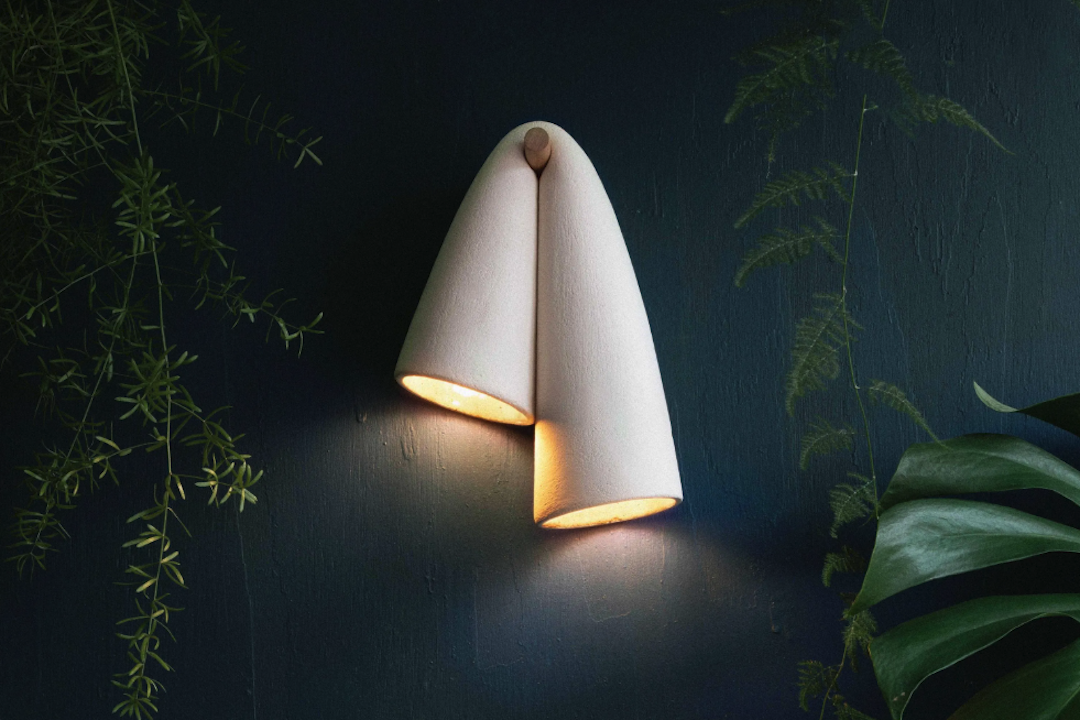
Many artisans create classic bell or cone shapes, but with that handmade twist. The slight imperfections in the curve or the subtle variations in the rim give these familiar forms a new, more organic life.
Abstract and Organic Forms
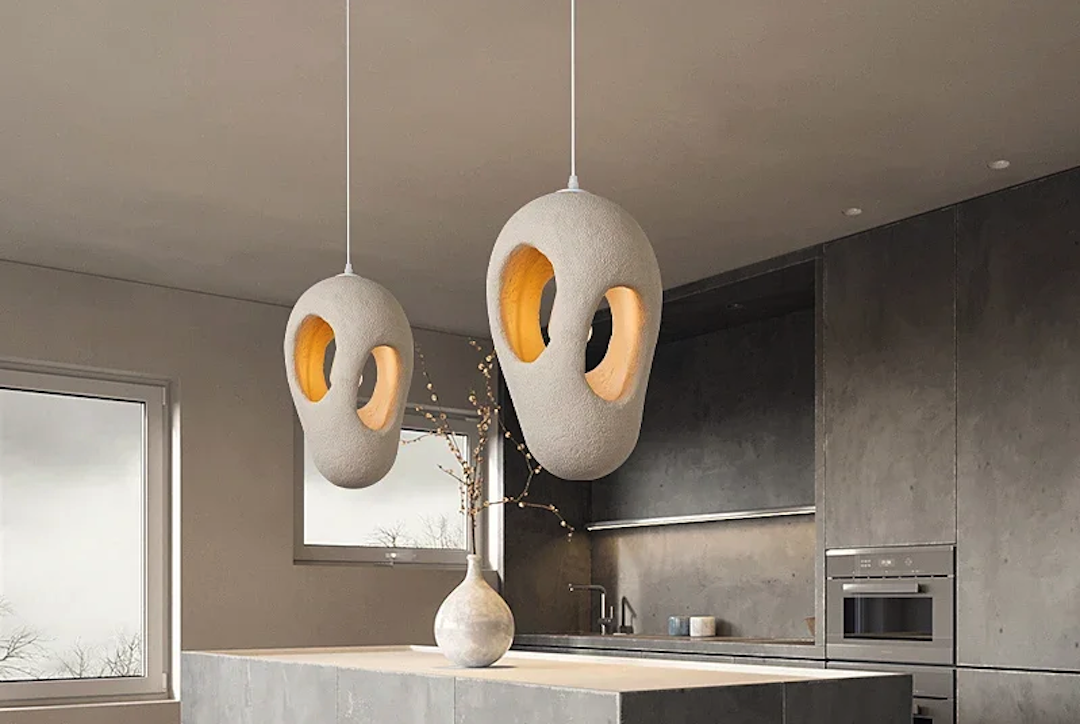
Some makers push the boundaries, creating lamps that are more abstract or inspired by natural shapes. Think of pods, organic curves, or forms that mimic the way water flows or stone erodes.
Color Palettes and Finishes
The choice of glaze and finish has a significant impact on the overall feel of the lamp.
Earthy Tones
Expect to see a lot of natural colors: creams, whites, grays, soft browns, and muted greens. These tones complement the materiality of ceramic and the wabi-sabi aesthetic.
Reactive Glazes
These glazes are designed to interact with the heat of the kiln in unpredictable ways, creating unique color blends and textures. They can result in mottled effects, streaks of color, or areas where the glaze has bubbled or receded.
Matte vs. Glossy
While matte finishes often align closely with a wabi-sabi feel, some lamps might incorporate subtle gloss elements, perhaps in specific areas or as part of a layered glaze. The interplay between matte and gloss can add further visual dimension.
Practical Considerations for Choosing Your Ceramic Pendant
While the aesthetic appeal is strong, there are practical aspects to consider when opting for a handmade ceramic pendant lamp. Understanding these can help you make a choice that is both beautiful and functional for your space.
Size and Scale
Just like any pendant lamp, size matters. Consider the room it will inhabit and the ceiling height.
Room Dimensions
A large, open living space can accommodate a larger, more substantial ceramic pendant. A smaller dining area or hallway might be better suited to a more delicate or downsized piece.
Ceiling Height
Ensure there’s adequate clearance, especially if you’re placing the lamp over a dining table or kitchen island. You don’t want people to bump their heads!
Lighting Quality
The material and design of the ceramic shade will influence the type of light it casts.
Diffused vs. Direct Light
Ceramic, especially with a thicker wall or a less transparent glaze, tends to diffuse light. This creates a softer, more ambient glow, which is often desirable for creating a cozy atmosphere. Some designs might have openings that allow for more direct light downwards.
Bulb Choice
The type of bulb you use will also affect the light quality. Consider warm white LED bulbs for a cozy feel, or cooler tones if you need brighter, more task-oriented light. The fixture’s design might influence how the light falls, so think about whether you want it to illuminate a specific area or the entire room.
Installation and Maintenance
Handmade items might require a slightly different approach to installation and care.
Wiring and Fixturing
Most ceramic pendant lamps will come with standard electrical fittings. However, if you’re buying directly from a smaller maker, it’s always worth confirming the electrical components meet safety standards.
Cleaning Advice
Ceramics are generally durable, but delicate glazes or textured surfaces might require gentle cleaning. Avoid harsh chemicals or abrasive scrubbers. A soft cloth, perhaps slightly dampened, is usually sufficient for dusting and occasional wiping. Always refer to the maker’s specific care instructions.
Weight Considerations
Ceramic can be surprisingly heavy. Ensure your ceiling support is adequate for the lamp’s weight, especially for larger pieces. If you’re unsure, consult a qualified electrician or handyman for installation.
Integrating a Ceramic Pendant Lamp into Your Decor
A handmade ceramic pendant lamp can be a versatile addition to various interior styles, offering a touch of warmth and personality. The key is to let its unique character shine without overwhelming the space.
Complementary Interior Styles
While wabi-sabi is rooted in Japanese aesthetics, ceramic pendant lamps can surprisingly integrate into many looks.
Modern Bohemian
The organic textures and earthy tones of ceramic lamps pair wonderfully with bohemian styles, adding a handmade, grounded element to layered textiles and natural materials.
Japandi
This hybrid style, blending Japanese minimalism with Scandinavian simplicity, is a natural fit for handmade ceramic pieces. The emphasis on natural materials, clean lines, and understated beauty makes these lamps an ideal choice.
Minimalist Spaces
Even in a minimalist setting, a carefully chosen ceramic pendant can act as a focal point, adding a touch of warmth and texture without disrupting the overall clean aesthetic. Its inherent simplicity, when well-executed, can enhance the minimalist feel.
Industrial Chic
The contrast between the raw, organic feel of ceramic and industrial elements like exposed brick or metal can be very striking. A ceramic pendant can soften the harsher aspects of an industrial space.
Creating Focal Points and Mood
The placement and design of your ceramic pendant lamp can significantly influence the ambiance of a room.
Over a Dining Table
A ceramic pendant hung above a dining table can create an intimate and inviting atmosphere for meals. The soft light it emits can encourage conversation and connection.
In the Kitchen
For a kitchen island or a breakfast nook, a ceramic pendant can add a touch of handcrafted charm. It can contribute to a feeling of warmth and hospitality in what is often the heart of the home.
As Ambient Lighting
In a living room or bedroom, a larger ceramic pendant can serve as a beautiful ambient light source, casting a gentle glow that encourages relaxation.
Highlighting Architectural Features
If you have a particular architectural element you want to draw attention to, a well-placed ceramic pendant can help illuminate and frame it.
By understanding the principles behind wabi-sabi and the practicalities of choosing and integrating a handmade ceramic pendant lamp, you can select a fixture that not only provides light but also adds a unique story and an appealing sense of place to your home. It’s about embracing the beauty of the imperfect and the honest character that only handmade objects can bring.