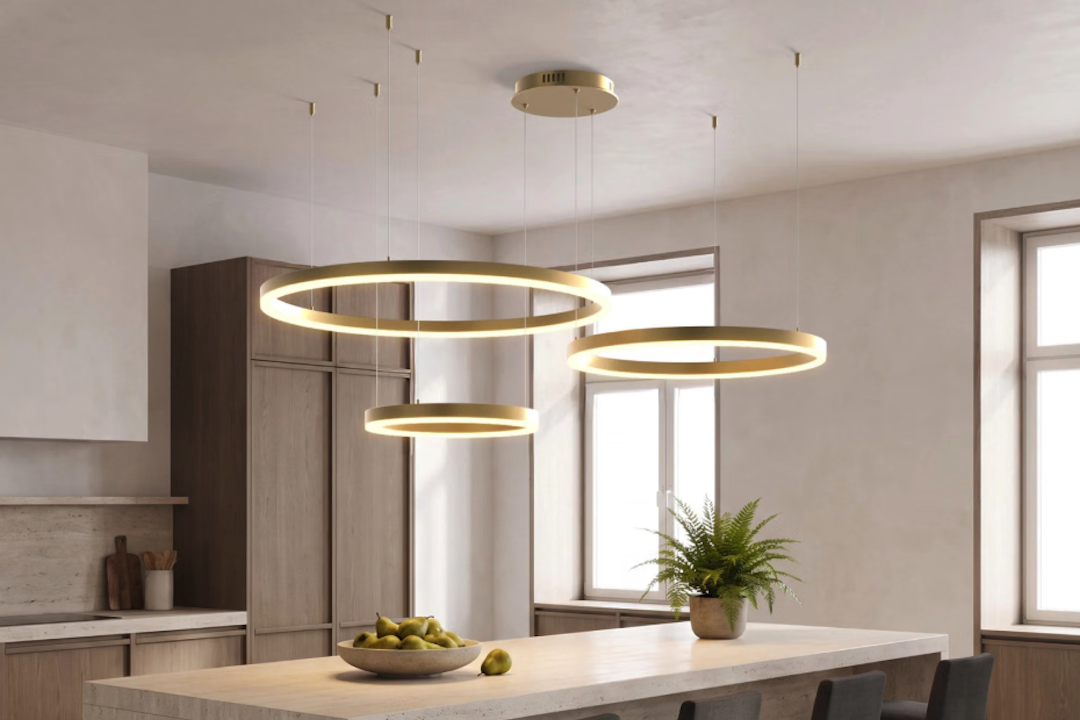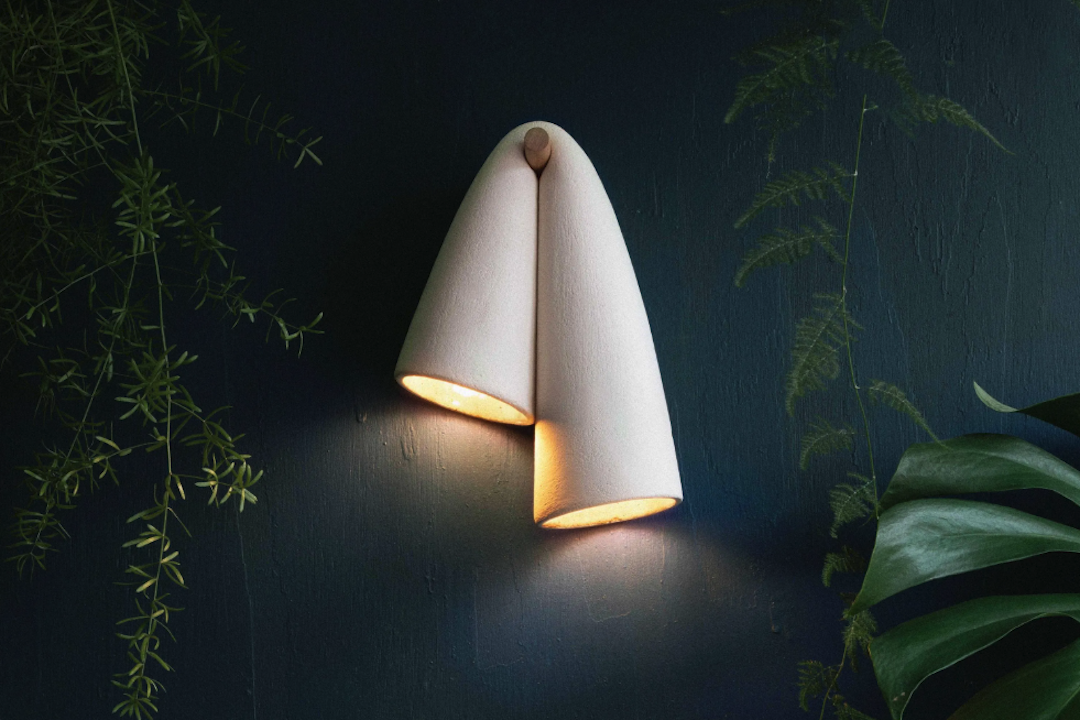


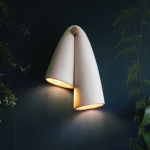

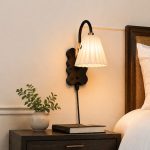
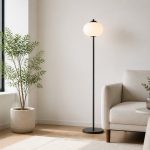
Thinking about a minimalist walnut wood ceiling lamp for your study room? That’s a smart move. These lamps are more than just light sources; they can really anchor your space, add warmth, and create a focused, comfortable environment for getting work done. Let’s dive into what makes them a great choice and how to pick the right one.
Walnut, as a material, brings a unique set of qualities that are particularly suited to a study environment. It’s not just about looks, though those are certainly a big part of it.
The Aesthetic Appeal of Walnut
Walnut wood has a rich, deep brown color that instantly adds a sense of sophistication and natural beauty to any room. Unlike some lighter woods that can feel a bit stark or overly modern, walnut has a classic, timeless appeal.
Warmth and Depth
The inherent warmth of walnut’s color is one of its strongest selling points. In a study, where you want to feel relaxed and focused, this warmth is incredibly important. It creates an inviting atmosphere that can help reduce stress and encourage longer periods of concentration. The grain patterns in walnut are often beautiful and varied, adding visual interest without being distracting. This natural texture can make a minimalist design feel more substantial and less sterile.
A Touch of Natural Luxury
There’s a subtle sense of luxury associated with walnut. It’s a premium material that suggests quality and attention to detail. This isn’t about ostentatious display; rather, it’s about the understated elegance that comes from using a well-valued natural material. For a study, this can subtly elevate your workspace, making it feel like a more intentional and curated area.
Practical Benefits of Walnut
Beyond its good looks, walnut offers several practical advantages that make it a sound choice for a ceiling lamp Buyance. Its durability and how it interacts with light are key here.
Durability and Longevity
Walnut is a hardwood, known for its strength and resistance to wear and tear. This means a walnut ceiling lamp is likely to be a long-lasting addition to your study. It won’t easily dent or scratch, which is important for a piece of furniture that’s meant to be admired and used for years to come.
Light Interaction
Wood, especially a darker wood like walnut, can interact with light in interesting ways. A well-designed walnut lamp will diffuse light softly, preventing harsh glare that can lead to eye strain. The wood itself can also absorb some of the light, contributing to a more gentle and ambient illumination. This is crucial for a study where you’ll be spending significant time reading or working on a screen.
Defining “Minimalist” in a Walnut Ceiling Lamp
When we talk about “minimalist” in this context, it’s not just about being plain. It’s about intentional design that prioritizes function and clean aesthetics, allowing the beauty of the material to shine.
Simplicity and Form
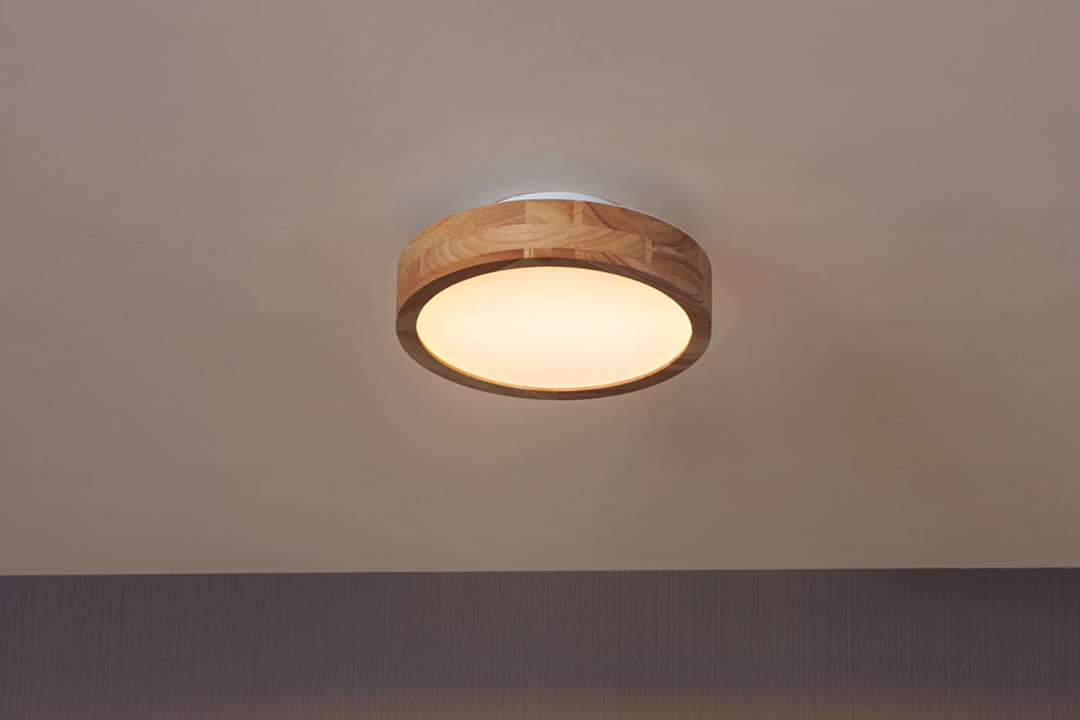
A minimalist design strips away unnecessary ornamentation. The focus shifts to the core shape and structure of the lamp. For a walnut ceiling lamp, this often means clean lines, geometric shapes, and a focus on the natural form of the wood.
Uncluttered Lines and Shapes
Think of geometric forms like squares, rectangles, simple cylinders, or elegant, understated curves. There won’t be any fussy carvings, intricate metalwork, or excessive decorative elements. The beauty comes from the inherent form and the way the wood is presented. This simplicity is key in a study, as it helps to create a calm and organized visual environment.
Emphasis on Material Purity
Minimalism often celebrates the integrity of materials. In a walnut lamp, this means showing off the wood’s natural grain, color, and texture. The finish will likely be subtle, perhaps a natural oil or a matte lacquer, designed to enhance rather than mask the wood’s inherent qualities. The design won’t try to mimic other materials or hide the fact that it’s wood.
Functionality Over Flourish
In a minimalist design, every element serves a purpose. Extraneous details are eliminated. This is particularly beneficial for study lamps.
Integrated Lighting Solutions
Minimalist walnut ceiling lamps often feature integrated LED lighting. This means the light source is seamlessly built into the design, rather than being a separate bulb-housing component that might detract from the clean aesthetic. This creates a more cohesive and streamlined look.
Thoughtful Illumination Control
While not always overtly visible, minimalist designs often incorporate smart, subtle controls. This could be a dimmable feature, a carefully chosen color temperature for optimal study conditions, or even integrated smart home compatibility, all handled with a discreet touch or voice command. The functionality is there, but it doesn’t shout about itself.
Key Features to Look For
When you’re browsing for a minimalist walnut wood ceiling lamp, a few specific features can make a big difference in how it performs in your study.
Material Quality and Finish
The quality of the walnut itself, and how it’s finished, will significantly impact the lamp’s appearance and durability.
Type of Walnut
There are different types of walnut, with American black walnut being a popular choice for its rich, dark color and appealing grain. Russian walnut or European walnut might also be options, each with slightly different color variations and grain patterns. Asking about the specific origin and type of walnut can give you a better sense of the quality.
The Finish
As mentioned, a good finish enhances the natural beauty of the wood. Look for natural oil finishes that soak into the wood and protect it while maintaining a matte, natural look. Matte lacquers are also good as they provide durability without a high gloss that can create glare. Avoid glossy finishes on wooden lamps for a study, as they can reflect light unpleasantly.
Light Quality and Output
This is paramount for a study lamp. The light needs to be functional for focused work.
Color Temperature (Kelvin)
For study, a color temperature between 3500K and 4500K is generally recommended. This range is often described as “neutral white” or “cool white.” It’s bright enough to promote alertness and focus without being so harsh that it causes eye fatigue. Avoid very warm (yellowish) or very cool (bluish) tones for primary study lighting.
Brightness (Lumens) and Dimming
Consider the lumen output to ensure it’s sufficient for your study area. For a typical home study, around 800-1500 lumens might be adequate, depending on the size of the room and the ceiling height. Crucially, look for dimmable options. This allows you to adjust the light level for different tasks – brighter for detailed work, dimmer for relaxed reading or winding down.
Light Distribution
A good ceiling lamp for a study should provide even, diffused light across your workspace. Avoid lamps that create harsh spotlights or significant shadows. Integrated LED panels or diffusers made from frosted acrylic or opal glass, often incorporated into minimalist designs, help to spread the light effectively.
Installation and Placement Considerations
Where and how you install your walnut ceiling lamp can greatly impact its effectiveness and aesthetic contribution to your study.
Ceiling Height and Lamp Size
The scale of your lamp needs to match your room.
Dropping Distance
For standard ceiling heights (around 8-9 feet), a lamp that hangs too low can be a tripping hazard or make the room feel smaller. Most minimalist ceiling lamps are designed to be relatively flush or hang just a few inches down. Measure your ceiling height and consider the desired hanging distance.
Proportionality
A tiny lamp on a large ceiling can look lost, while an oversized lamp in a small study can feel overwhelming. Aim for a lamp that is visually proportionate to the size of your room and your desk area.
Desk and Workstation Alignment
The primary purpose of your study lamp is to illuminate your work.
Direct Task Lighting
While a ceiling lamp provides general ambient light, think about how it complements any task lighting you might have (like a desk lamp). Ideally, the ceiling lamp should provide broad, even illumination that reduces the need for your eyes to strain. If your desk is positioned directly under the lamp, ensure the light it casts is suitable for focused work.
Avoiding Glare on Screens
A common issue in studies is glare on computer screens. A well-diffused light from a minimalist ceiling lamp is less likely to cause this than a fixture with exposed bulbs. If glare is a persistent problem, consider the placement of the lamp relative to your screens, or opt for a lamp with adjustable diffusion.
Integrating Your Walnut Lamp into Your Study’s Design
A minimalist walnut lamp shouldn’t just be a functional object; it should enhance the overall look and feel of your study.
Complementing Your Decor Style
Walnut is versatile, but understanding how it fits with your existing decor is key.
Modern and Scandinavian Vibes
Minimalist walnut fits perfectly into modern and Scandinavian design aesthetics. These styles often embrace natural materials, clean lines, and a neutral color palette. The warmth of the walnut will complement whites, grays, and other light woods beautifully.
Contemporary and Traditional Touches
It can also add a contemporary warmth to more traditional spaces or act as a bridge between classic and modern elements. The richness of walnut can ground a space that might otherwise feel too light or too stark.
Creating a Focused Atmosphere
The lamp plays a role in setting the mood for productivity.
Warmth and Comfort for Concentration
The inherent warmth of walnut, combined with appropriate lighting, creates an inviting and comfortable atmosphere. This psychological effect can make your study more appealing to spend time in, promoting focus and reducing distractions.
A Sense of Calm and Order
The simplicity of a minimalist design contributes to a sense of calm and order. In a study, where you need to minimize distractions, a visually uncluttered ceiling fixture can be incredibly beneficial. It helps to create a serene environment conducive to deep work.
Other Materials and Textures to Pair With
Think about what other elements in your study will interact visually with your walnut lamp.
Natural Textures
Pairing your walnut lamp with other natural textures can enhance its organic appeal. Think about a woven rug, linen curtains, a cork board, or even decorative plants. These elements will create a harmonious and balanced look.
Metal Accents
While minimalism favors simplicity, subtle metal accents can add a touch of refinement. Consider matte black or brushed nickel hardware on your desk or shelving. These can complement the dark tones of the walnut without introducing visual noise. Avoid overly shiny or polished metals, which might clash with the natural, matte finish of the wood.
Wood Tones
If you have other wooden furniture in your study, consider how the walnut lamp will interact with those tones. Walnut generally pairs well with its own kind of wood or with lighter oak or ash. Aim for harmony rather than a perfect match, allowing each element to have its own character.
By considering these aspects, you can select a minimalist walnut wood ceiling lamp that not only illuminates your study effectively but also enhances its aesthetic and contributes to a more productive and enjoyable workspace.