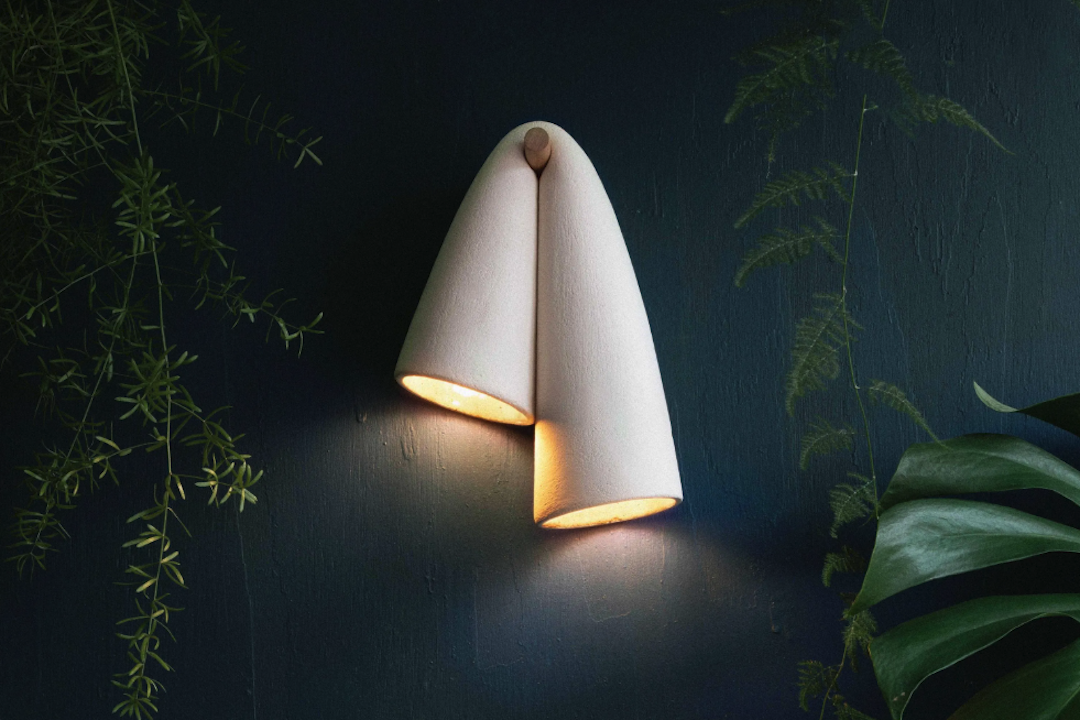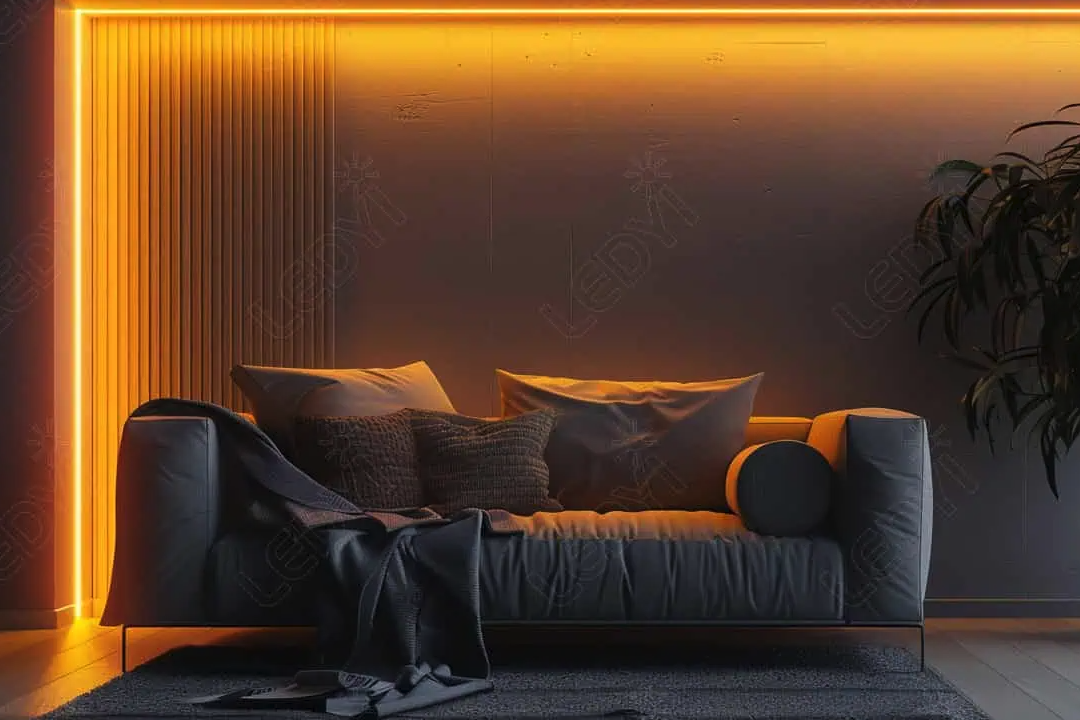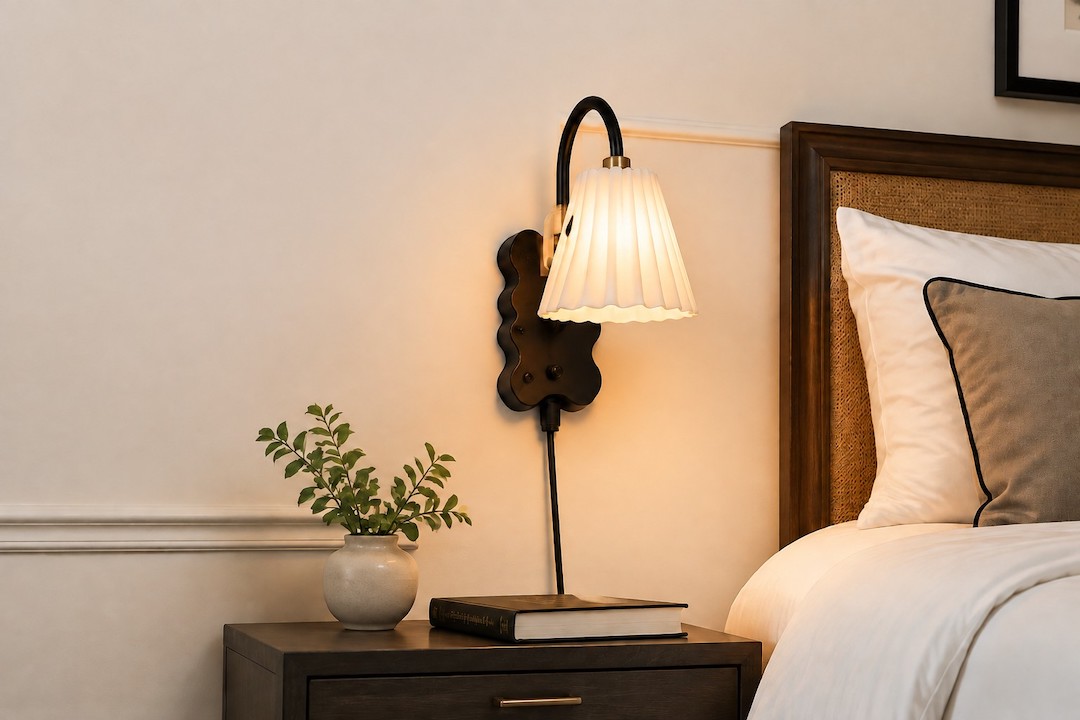





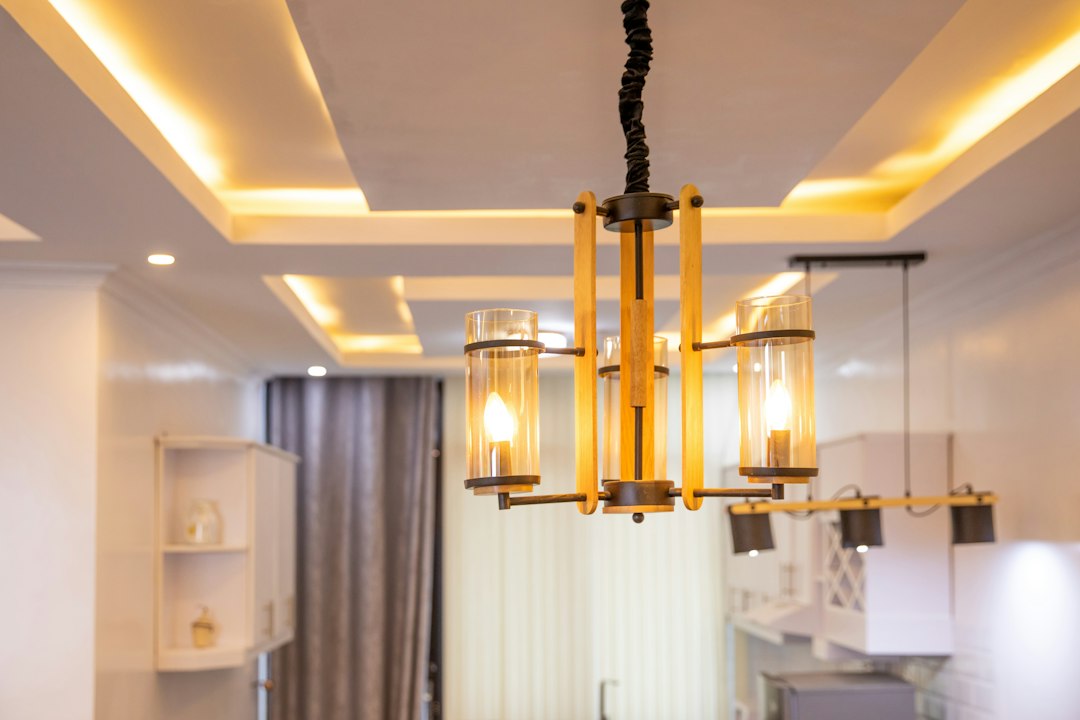
Yes, an app-controlled chandelier with an elegant solid wood finish design is absolutely a real product, and it’s becoming a popular choice for homeowners looking to blend classic aesthetics with modern convenience. These fixtures aren’t just about looking good; they bring a whole new level of functionality to your lighting. Think about being able to adjust brightness, color temperature, or even schedule lighting changes right from your phone, all while enjoying the timeless beauty of natural wood. It’s about making your home smarter without sacrificing style.
The Appeal of Smart Wood Chandeliers
There’s something inherently inviting about solid wood. It brings warmth, texture, and a sense of natural beauty into any space. When you combine that with the cutting-edge technology of smart lighting, you get a fixture that’s both a statement piece and incredibly practical. This combination addresses a common dilemma: how to integrate smart home tech without making your living space feel cold or overly futuristic.
Bridging Classic and Contemporary Styles
Many people love the idea of smart homes but are hesitant to introduce gadgets that clash with their existing décor. A solid wood chandelier offers a perfect bridge. The wood itself can be crafted into various designs, from rustic and farmhouse styles to sleek, minimalist lines. This versatility means you can find a piece that complements traditional, transitional, or even modern interiors. The “smart” part is discreetly integrated, usually within the light source itself or the fixture’s internal wiring, so it doesn’t detract from the aesthetic. You get the familiar comfort of wood with the hidden power of modern control.
Beyond On and Off: What “Smart” Really Means Here
When we talk about a “smart” chandelier, we’re not just talking about turning it on and off with an app. That’s just the starting point. The real value comes from features like dimming capabilities, often with a very smooth range, allowing you to set the perfect mood for any occasion. Color temperature adjustment is another big one. Imagine being able to switch from a warm, cozy glow (around 2700K-3000K) for an evening gathering to a brighter, more neutral white light (around 4000K-5000K) for tasks or during the day. Some advanced models even offer full RGB color control, letting you choose from millions of colors, though this is less common in designs emphasizing natural wood aesthetics.
Scheduling is also a game-changer. You can set your chandelier to slowly brighten in the morning, mimicking a sunrise, or to dim gradually as bedtime approaches. This not only adds convenience but can also contribute to your well-being by aligning with your natural circadian rhythm. Voice control, through integration with smart assistants like Alexa or Google Assistant, means you can adjust your lighting without lifting a finger, which is incredibly handy when your hands are full or you’re just getting comfortable.
Key Features to Look For
When you’re considering investing in a smart app-controlled solid wood chandelier, it’s helpful to know what features make a real difference. Not all smart chandeliers are created equal, and understanding these aspects will help you pick one that truly fits your needs and lifestyle.
Quality of the Wood and Craftsmanship
This is where the “elegant solid wood finish design” really comes into play. Look for chandeliers made from genuine, high-quality wood, not just a veneer or laminate. Common choices include oak, walnut, maple, and even reclaimed woods, each offering a distinct grain pattern and color. The finish on the wood is also crucial. Is it a smooth, hand-sanded finish? Is it treated to resist moisture or fading? Good craftsmanship will be evident in the joints, the precision of the cuts, and the overall solidity of the fixture. A well-made wooden chandelier will be durable and age gracefully, becoming even more beautiful over time. Details like how the wood is integrated with any metal components – whether they’re seamless or clunky – speak volumes about the overall quality.
Smart Connectivity and App Control
Most smart chandeliers connect via Wi-Fi, allowing control from anywhere with an internet connection. Bluetooth is sometimes used for initial setup or local control. Check if the chandelier requires a separate hub or if it connects directly to your home Wi-Fi network. Direct Wi-Fi connection is generally more convenient, as it reduces the number of devices you need to manage.
The accompanying app is just as important as the hardware. A good app should be intuitive, user-friendly, and reliable. Look for features like:
- Easy pairing: How straightforward is it to connect the chandelier to your network and app?
- Comprehensive control: Can you adjust brightness, color temperature (if applicable), and set schedules easily?
- Scene creation: Can you save custom lighting settings (e.g., “Dinner Party,” “Reading,” “Relax”) and recall them with a single tap?
- Group control: If you have multiple smart lights, can you control them individually or as a group?
- Integrations: Does it work with popular smart home platforms like Amazon Alexa, Google Home, Apple HomeKit, or SmartThings? This allows for voice control and integration into broader home automation routines.
- Updates: Does the manufacturer regularly update the app and firmware to add new features and fix bugs?
Lighting Performance and Flexibility
Beyond just “smart,” the quality of light produced is paramount.
- Brightness (Lumens): Consider the size of your room and the amount of light you need. Lumens indicate the total light output. A chandelier for a large living room will need more lumens than one for a smaller dining area.
- Color Temperature (CCT): As mentioned, the ability to adjust color temperature (often measured in Kelvin, K) is a key benefit. Look for a wide tunable range, typically from warm white (2700K) to cool white (5000K or 6500K).
- Color Rendering Index (CRI): This measures how accurately a light source renders colors compared to natural sunlight. A CRI of 90 or above is excellent and ensures that your décor, food, and skin tones look natural and vibrant under the light. Lower CRI values can make colors appear dull or distorted.
- Dimmability: Ensure the dimming is smooth and flicker-free, even at very low light levels. Some smart lights dim down to 1% or even less, offering incredible flexibility for setting ambiance.
- Bulb Type: Are the lights integrated LEDs, or does the fixture use standard E26/E27 screw-in smart bulbs? Integrated LEDs often allow for sleeker designs and better light diffusion but mean you can’t easily change the light source. If it uses standard sockets, you have more flexibility to choose your own smart bulbs, but the design might be bulkier.
Installation and Maintenance Considerations
Bringing a new chandelier into your home, especially a smart one, involves a few practical steps. Understanding these can help you plan and ensure a smooth experience.
Professional Installation vs. DIY
While some smaller, simpler light fixtures might be suitable for a confident DIYer, installing a chandelier, particularly one with smart features, often benefits from professional help. Here’s why:
- Weight: Chandeliers can be heavy. Ensuring proper support in the ceiling joists is crucial to prevent accidents. Standard junction boxes might not be rated for the weight of a larger chandelier.
- Wiring: You’ll be dealing with household electrical wiring. If you’re not experienced, there’s a risk of electrical shock or improper connections, which can lead to fire hazards or malfunction. Smart chandeliers might also have additional wiring for their control modules.
- Assembly: Many chandeliers come partially disassembled and require careful assembly before hanging.
- Smart Setup: While connecting to the app is usually straightforward, troubleshooting network issues or ensuring proper integration with existing smart home systems can sometimes be tricky. An electrician familiar with smart home tech might be able to handle this more efficiently.
It’s always recommended to consult the manufacturer’s instructions. If you’re uncomfortable with any part of the process, hiring a licensed electrician is a wise investment for safety and peace of mind.
Caring for the Wood Finish
Solid wood needs a bit of care to maintain its beauty over time.
- Dusting: Regular dusting with a soft, dry cloth is usually sufficient. Avoid abrasive cleaners or cloths that could scratch the surface.
- Cleaning: For more stubborn dirt, a slightly damp cloth can be used, but make sure to dry the wood immediately afterward. Never use harsh chemical cleaners, as these can strip the finish or damage the wood itself.
- Protection: Depending on the type of wood and its finish (e.g., oil, lacquer, wax), you might need to periodically re-apply a protective treatment. Check the manufacturer’s recommendations.
- Environmental Factors: Wood is a natural material and can be affected by changes in humidity and temperature. Avoid placing the chandelier in areas with extreme fluctuations or direct, prolonged sunlight, as this can cause the wood to warp, crack, or fade.
Troubleshooting Smart Features
Even the best smart devices can occasionally run into issues. Here are some common troubleshooting tips:
- Connectivity Issues: If the app can’t connect, first check your Wi-Fi network. Is it working? Is the router close enough to the chandelier? Sometimes a simple router restart can resolve connectivity problems. Ensure the chandelier is on the correct Wi-Fi band (most smart devices prefer 2.4GHz).
- App Glitches: If the app isn’t responding, try closing and reopening it, or even reinstalling it. Check for app updates.
- Firmware Updates: Ensure your chandelier’s firmware is up to date. Manufacturers often release updates to improve performance, add features, or fix bugs. This is usually done through the app.
- Resetting: Most smart devices have a reset procedure (often involving a specific power cycle sequence). This can resolve persistent issues but will usually require you to re-pair the device.
- Manufacturer Support: Don’t hesitate to contact the manufacturer’s customer support. They are best equipped to help with product-specific issues.
Design and Aesthetic Integration
A smart wood chandelier is more than just a light source; it’s a piece of furniture that contributes significantly to your home’s overall aesthetic. Thoughtful placement and design choices are key to maximizing its impact.
Matching Styles and Room Themes
The beauty of solid wood is its versatility.
- Modern & Minimalist: Look for chandeliers with clean lines, geometric shapes, and light-colored woods like maple or birch. The smart features should be seamlessly integrated, almost invisible.
- Rustic & Farmhouse: Reclaimed wood, rough-hewn finishes, or designs incorporating metal accents work well here. The smart features provide modern convenience without detracting from the rugged charm.
- Transitional: These designs blend classic and contemporary elements. Think smooth, polished woods like walnut or oak in slightly more traditional shapes, elevated by the smart functionality.
- Industrial: Pair dark woods with exposed metal elements, like black iron or brushed steel. The smart controls add a sophisticated touch to the raw aesthetic.
- Scandinavian: Light woods, simple forms, and functional design are hallmarks of this style. A smart wood chandelier fits perfectly, emphasizing natural materials and intelligent living.
Consider the other materials in your room – flooring, furniture, textiles. The wood finish of the chandelier should complement or create a pleasing contrast with these elements. For instance, a dark walnut chandelier can be a striking focal point against a light-colored ceiling and walls.
Placement and Size Considerations
Choosing the right size and placement for your chandelier is critical for both aesthetics and functionality.
- Dining Room: A common rule of thumb is that the diameter of the chandelier should be about half to two-thirds the width of your dining table. It should hang about 30-36 inches above the tabletop to avoid obstructing views or creating glare. The smart dimming and color temperature control are particularly useful here for setting different moods for meals.
- Living Room: For a living room, the chandelier should be appropriately sized for the room’s square footage. A general guideline is to add the length and width of the room in feet, and that sum in inches is a good starting point for the chandelier’s diameter. For example, a 10×15 foot room would suggest a 25-inch diameter chandelier. In rooms with high ceilings, you might opt for a multi-tiered or taller fixture. It should hang high enough to allow people to walk underneath comfortably, usually at least 7 feet from the floor in traffic areas.
- Bedroom: A smaller, more intimate chandelier can add elegance. Consider placing it above the foot of the bed or in a seating area. The smart features are excellent for creating a calming pre-sleep environment with warm, dim light.
- Entryway: If you have a grand entryway, a statement chandelier can be a welcoming focal point. Ensure it hangs high enough for tall guests and allows doors to open fully. The ability to schedule it to turn on as dusk falls is a nice touch.
Always consider the ceiling height. A very tall fixture in a low-ceiling room can feel overwhelming, while a small fixture in a vast space can look lost. Take measurements and even consider creating a paper cutout of the chandelier’s diameter to visualize its size in the space before purchasing.
The Future of Smart Wood Lighting
The intersection of natural materials and smart technology is only going to grow. What we’re seeing now with app-controlled solid wood chandeliers is just the beginning.
Evolving Smart Home Integration
As smart home ecosystems mature, we can expect even more seamless and sophisticated integration for these types of fixtures.
- Advanced Sensors: Imagine chandeliers that adjust their light output based on ambient daylight levels or even motion detectors that dim lights when a room is unoccupied.
- AI-Powered Personalization: Future systems might learn your daily routines and preferences over time, automatically adjusting lighting to optimize for your mood, productivity, or sleep patterns without you even needing to open an app. This could include subtle changes in brightness and color temperature throughout the day to support your circadian rhythm.
- Local Control Reliability: While cloud control is convenient, there’s a growing push for more robust local control options. This means your chandelier would continue to function with its smart features even if your internet goes down, relying on your local network.
- Matter and Thread: Newer smart home communication standards like Matter and Thread are designed to improve interoperability and simplify device setup across different brands and platforms. This will make it even easier to integrate your smart wood chandelier into a diverse smart home setup.
Sustainability and Material Innovation
The emphasis on solid wood naturally brings sustainability into the conversation.
- Sustainably Sourced Wood: Consumers are increasingly demanding products made from ethically and sustainably sourced materials. Look for certifications like FSC (Forest Stewardship Council) when choosing wood products. This ensures that the wood comes from responsibly managed forests.
- Recycled and Reclaimed Materials: The use of reclaimed or recycled wood not only gives new life to old materials but also adds character and a unique story to each piece. This aligns perfectly with the desire for unique, handcrafted aesthetics.
- Energy Efficiency: While the smart controls themselves offer energy savings through dimming and scheduling, the light sources within these chandeliers are overwhelmingly LED. LEDs are significantly more energy-efficient and long-lasting than traditional incandescent or fluorescent bulbs, reducing both energy consumption and waste.
- Modular and Repairable Designs: As products become smarter, there’s a growing movement towards modular designs that allow for easy repair or component upgrades. This could mean replacing a smart module without needing to discard the entire fixture, extending the product’s lifespan and reducing electronic waste.
The combination of the timeless appeal of solid wood with the evolving capabilities of smart technology offers a compelling vision for home lighting that is both beautiful, functional, and responsible. It’s about creating spaces that feel good and work smarter for you, all while embracing durable, natural materials.