




You’re probably wondering about that soft, ethereal light you sometimes see in beautifully designed spaces – the kind that makes a room feel warm, inviting, and a little bit magical. That’s often the work of “concealed lighting,” also known as cove lighting or indirect lighting. It’s a fantastic way to add ambiance without the harsh glare of a direct bulb. Let’s dive into what makes it work and how you can use it.
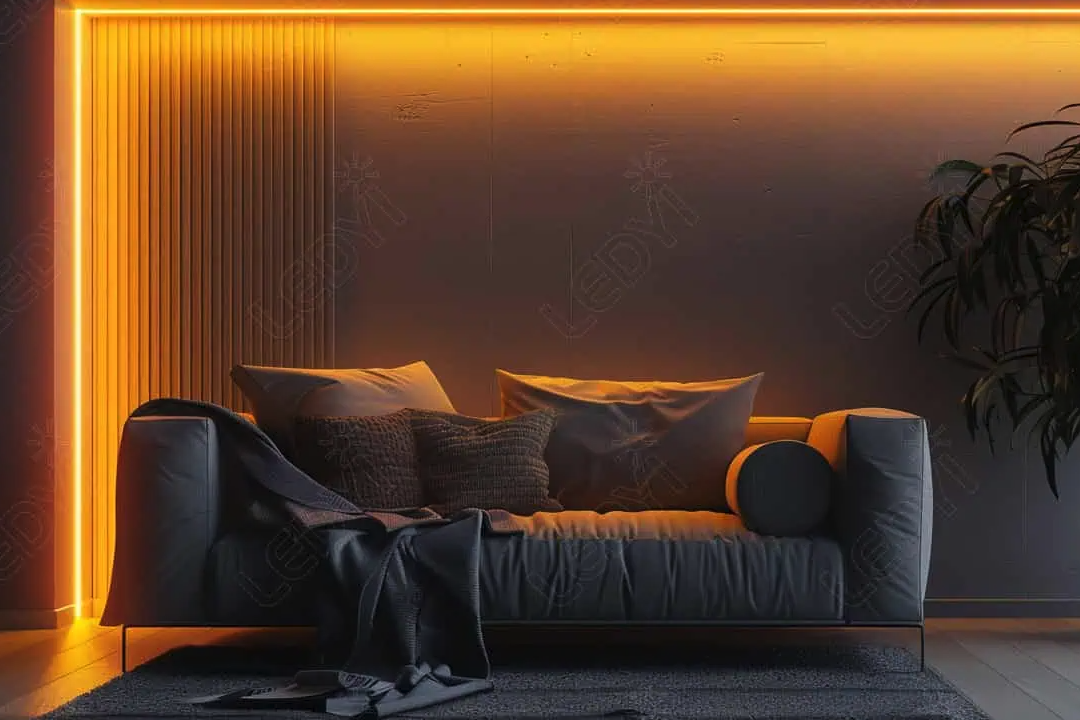
Think of concealed lighting as the shy star of the show. Instead of being in plain sight, the light source itself is hidden, usually behind a ledge, a molding, or a specially designed fixture. The light then bounces off a surface – typically a ceiling or wall – before gently illuminating the space. The magic lies in the diffusion; you see the glow, but not the source, creating a soft, even light Homezora that’s incredibly pleasing to the eye. It’s less about direct illumination and more about shaping the mood and highlighting architectural features.
The Core Principle: Indirect Illumination
At its heart, concealed lighting is all about indirect illumination. This means the light isn’t shining directly onto objects or people. Instead, it’s aimed at a surface that then reflects the light outwards. This reflection is key to achieving that soft, diffused effect. Imagine sunlight bouncing off a cloud – it’s much softer than direct sunlight. Cove lighting operates on a similar principle, using your ceiling or walls as giant, gentle reflectors.
Why is it Called “Cove” Lighting?
The term “cove” lighting often refers to a specific type of concealed lighting where the light source is placed in a channel or recess, traditionally called a “cove,” built into the wall or ceiling. These coves are designed to hide the fixtures and direct the light upwards. However, “concealed lighting” is a broader term that encompasses any lighting where the source is hidden, regardless of whether it’s in a traditional cove.
Benefits Beyond the Glow: Why Choose Concealed Lighting?
Beyond just looking good, concealed lighting offers some serious practical advantages that can transform how you use and experience your home or commercial space. It’s a smart choice for a variety of reasons, from aesthetics to functionality.
Reducing Glare and Eyestrain
One of the biggest advantages is the elimination of glare. Direct light sources can be harsh, causing discomfort and making it difficult to see clearly. Concealed lighting, by bouncing light off surfaces, significantly reduces this direct glare. This makes it ideal for spaces where you spend a lot of time relaxing, like living rooms or bedrooms, or for professional environments where focus is key. Less glare means less eyestrain, which is a win for everyone.
Enhancing Architectural Features
This is where concealed lighting really shines. It’s a fantastic tool for drawing attention to the details of your space. Think about beautiful crown molding, textured walls, or soaring ceilings. By directing light onto these elements, you can highlight their form and texture, adding depth and visual interest that a simple overhead fixture can’t achieve. It’s like a spotlight for your architecture, but done with subtlety.
Creating a Sense of Space
A well-executed concealed lighting scheme can actually make a room feel larger and more open. By washing the ceiling with light, it draws the eye upwards, creating an illusion of height. Similarly, indirect lighting along walls can make them seem to recede, expanding the perceived dimensions of the room. This is particularly effective in smaller or lower-ceilinged spaces.
Versatility in Application
Concealed lighting isn’t limited to one type of room or application. It works wonderfully in living rooms for creating a cozy atmosphere, in kitchens to provide ambient light without overwhelming task lighting, in hallways to guide the way softly, and even in bathrooms for a spa-like feel. Its adaptability makes it a valuable design element.
How Concealed Lighting Works: The Mechanics of the Glow
Understanding the basic principles of how concealed lighting is installed and functions will help you appreciate its effectiveness and plan your own installations. It’s not overly complicated, but the placement and choice of fixtures are crucial.
The Role of Fixtures and Light Sources
The “concealed” part means the fixtures holding the light bulbs are hidden. Common choices include LED strips, linear fluorescent fixtures, or even small halogen or incandescent bulbs tucked away. LED strips are particularly popular today due to their flexibility, low heat output, and energy efficiency. They can be bent and cut to fit specific spaces, making them incredibly versatile for custom installations.
Placement is Key: Where to Hide the Light
The success of concealed lighting hinges on where you place the light source. It’s typically installed along the top edge of walls, behind soffits, within coves, or beneath cabinetry. The goal is to ensure the direct light source is out of sight and directed towards a surface that will reflect and diffuse it evenly. Strategic placement can prevent “hot spots” of light and create a seamless glow.
Choosing the Right Surface for Reflection
The surface that receives the light is just as important as the light source itself. A clean, matte white ceiling is often ideal, as it reflects light most efficiently and evenly. Textured surfaces can also be used, but they might create more varied light patterns. The color of the surface will also influence the color of the reflected light; a dark surface will absorb more light, and a colored surface will cast a colored hue.
Designing with Concealed Lighting: From Concept to Creation
Bringing concealed lighting into your space involves more than just sticking a light strip behind a piece of trim. It requires thoughtful planning and consideration of the overall design.
Planning Your Light Layout
Before you start installing anything, sketch out where you want the light to appear and what effect you’re aiming for. Consider the primary use of the room. Do you want a soft, ambient glow for relaxation? Or do you need to subtly highlight artwork or architectural details? Mapping out the desired light spill and the areas you want to illuminate will guide your fixture placement.
Selecting the Right Fixtures and Bulbs
LED strips are often the go-to for modern concealed lighting. They come in various color temperatures (warm white, cool white, daylight), brightness levels (lumens), and even RGB options for color-changing effects. For more traditional settings, linear fluorescent fixtures might be used, though LEDs are generally more energy-efficient and offer better dimming capabilities. The bulb’s color rendering index (CRI) is also important, especially if you want colors in your room to appear natural.
Integrating with Architectural Elements
Concealed lighting works best when it feels like a natural part of the architecture, not an afterthought. This might mean incorporating it into custom-built soffits, recessing it into crown molding, or integrating it into cabinetry. Sometimes, it can be as simple as adding a strip behind a picture rail or a decorative cornice. The aim is for the light to appear as if it’s emanating from the structure itself.
Dimming and Control: Fine-Tuning the Ambiance
The ability to control the intensity of your concealed lighting is crucial for adapting to different moods and times of day. Dimmers are essential. For more advanced control, consider smart lighting systems that allow you to set schedules, create scenes, and even change colors remotely. This flexibility allows you to transform the atmosphere of a room with a simple tap or voice command.
Common Applications and Creative Uses
Concealed lighting isn’t just for grand homes. It can be used effectively in a surprising variety of spaces and for different purposes, adding that touch of sophistication and comfort.
Living Rooms and Lounges: Creating Cozy Ambiance
In living rooms, concealed lighting is perfect for creating a warm, inviting atmosphere for relaxation and entertaining. Washing the ceiling with a soft, warm white light can make the space feel more intimate and comfortable. You can also use it to highlight features like bookshelves or accent walls, adding depth and visual interest without distracting from the main living area.
Bedrooms: Enhancing Restful Environments
For bedrooms, the goal is often to create a serene and tranquil space. Concealed lighting around the perimeter of the ceiling, especially with warm, dimmable LEDs, can provide a gentle, diffused light that’s perfect for winding down. It can also be incorporated into headboards or bedside shelves for subtle reading light that doesn’t disrupt a partner.
Kitchens and Dining Areas: Subtle Illumination
While task lighting is critical in kitchens, concealed lighting can provide essential ambient illumination that complements it. Think about lighting along the top of upper cabinets, washing down the backsplash, or integrated into the soffit above. In dining areas, it can be used to create a sophisticated mood for meals, perhaps with a dimmer to adjust the intensity.
Hallways and Staircases: Guiding Light with Style
Concealed lighting can be a safer and more elegant alternative to harsh overhead lights in hallways and staircases. Running a strip along the base of the wall or within handrails can provide a soft, guiding light that enhances safety while adding a touch of modern design. It can also make these often-overlooked transitional spaces feel more welcoming.
Retail and Hospitality: Setting the Mood
Beyond residential spaces, concealed lighting is widely used in retail environments and hospitality venues to create specific atmospheres. In stores, it can highlight products without creating harsh reflections or shadows, and in hotels or restaurants, it’s used to create a luxurious and inviting ambiance.
Tips for Success and Common Pitfalls to Avoid
Like any design element, there are best practices and common mistakes to be aware of when implementing concealed lighting. A little foresight can save you a lot of hassle.
Test Before You Commit
If you’re undertaking a significant installation, consider testing a small section first. This will help you understand how the light interacts with your surfaces and if the chosen fixture and bulb are producing the desired effect. It’s easier to make adjustments before everything is permanently installed.
Consider Heat Output
While LEDs produce minimal heat, older types of bulbs can generate a significant amount. Ensure the space where the fixtures are concealed has adequate ventilation to prevent heat buildup, which can damage fixtures and reduce their lifespan. This is especially important in enclosed soffits or coves.
Don’t Overdo It
Concealed lighting is about subtlety. Too much can overwhelm the space or make it feel washed out. Start with a moderate amount and add more if needed, rather than installing excessive lighting that can’t be easily removed. It’s often better to have less, well-placed light than too much, poorly distributed light.
Ensure Easy Access for Maintenance
Remember that light bulbs eventually burn out, and fixtures may need cleaning or repair. Design your concealed lighting system so that the fixtures are accessible for maintenance without requiring major demolition. This might involve removable panels or strategically placed access points.
Understand Color Temperature and CRI
Choosing the right color temperature (warm vs. cool) and a high Color Rendering Index (CRI) is crucial for achieving the desired look and feel. A warm white light (around 2700K-3000K) is generally more relaxing, while a cooler light (4000K+) can feel more energetic. A high CRI (90+) ensures that colors within your room look natural and vibrant under the light.
The Importance of Professional Installation
While some simple DIY installations are possible, complex concealed lighting schemes, especially those involving custom soffits or integrations into existing architecture, are often best left to professionals. Electricians and lighting designers can ensure the system is safe, efficient, and aesthetically pleasing. They have the expertise to navigate building codes and hidden structural elements.
By understanding these aspects, you can harness the power of concealed lighting to create truly captivating and comfortable spaces. It’s a subtle yet powerful design tool that can elevate the look and feel of almost any room.