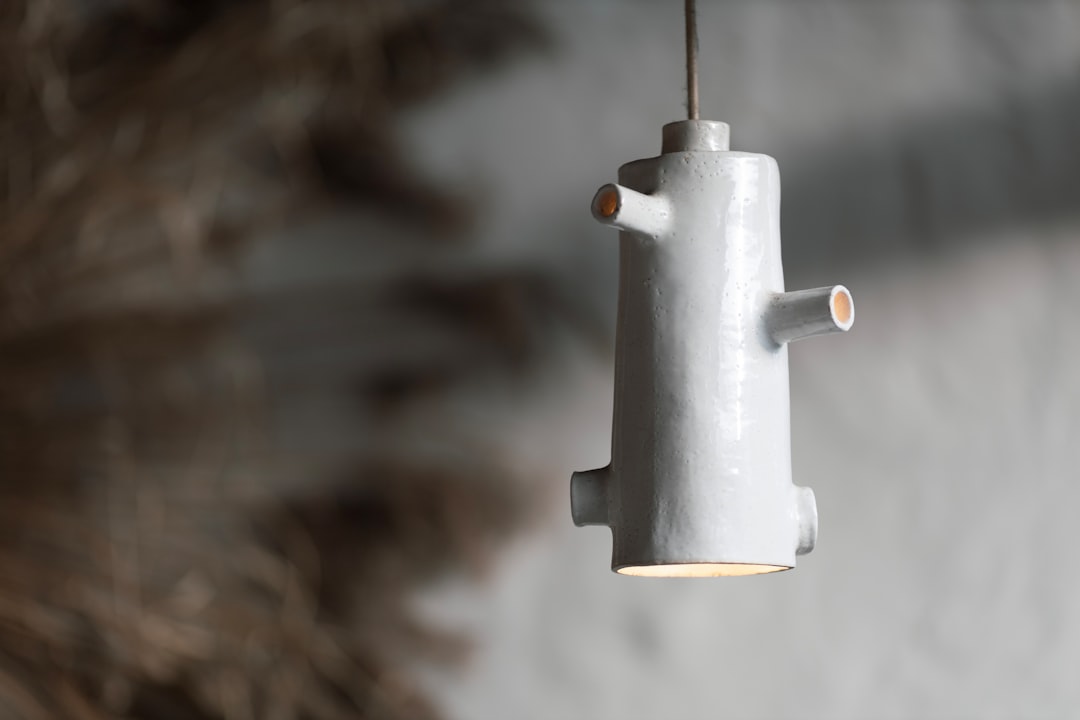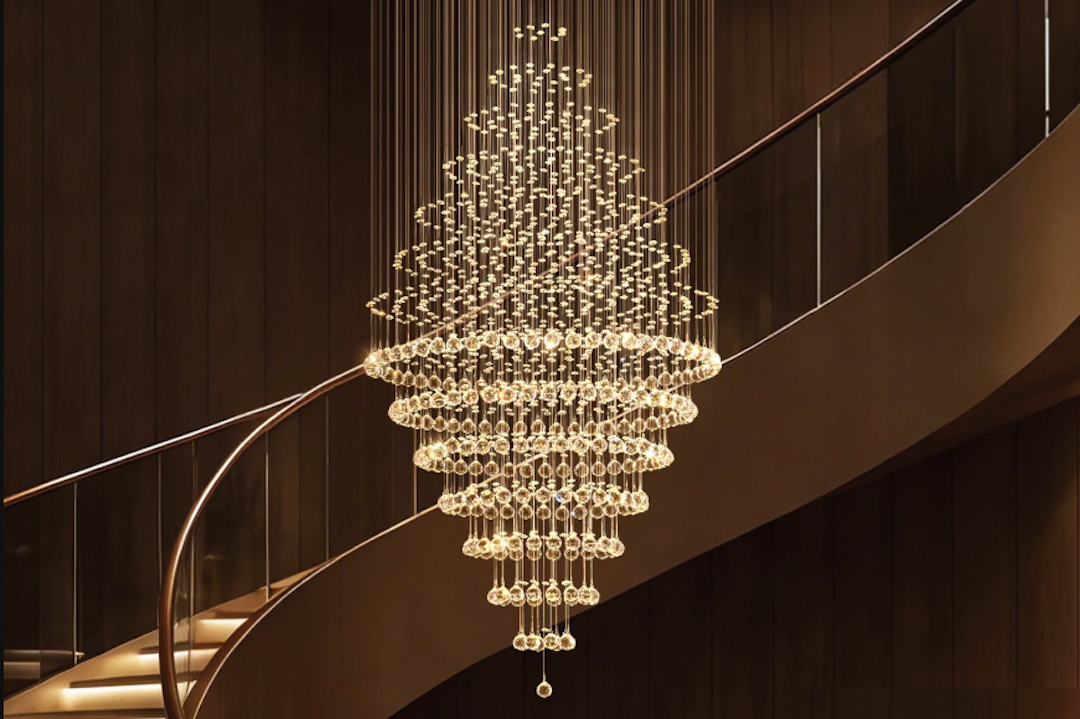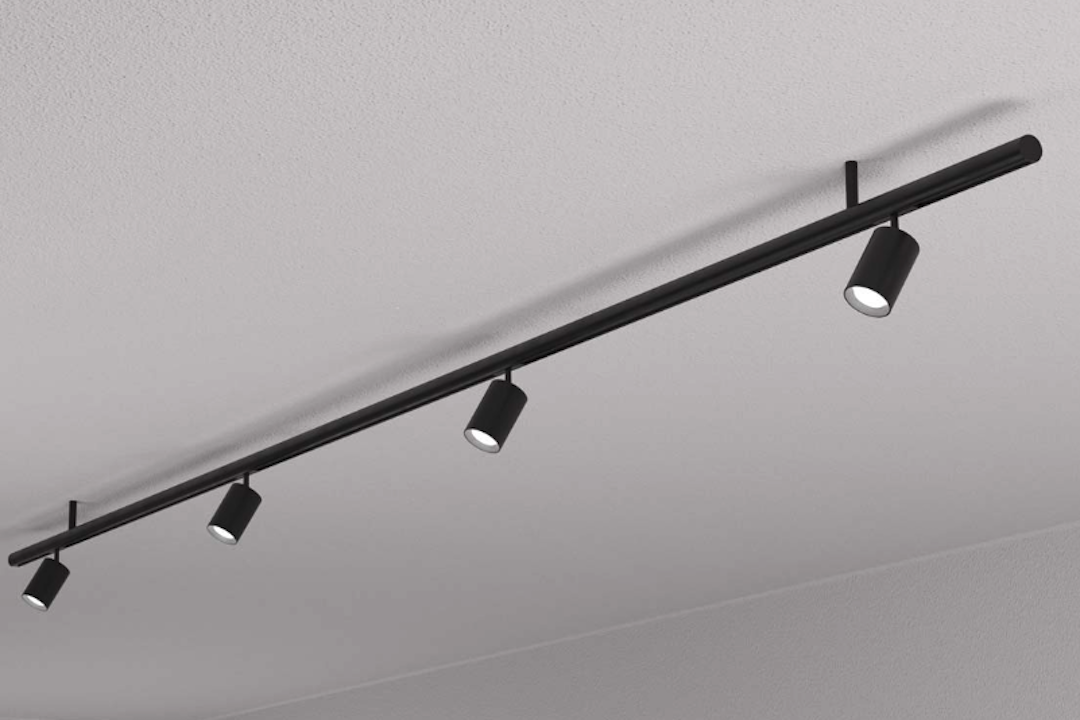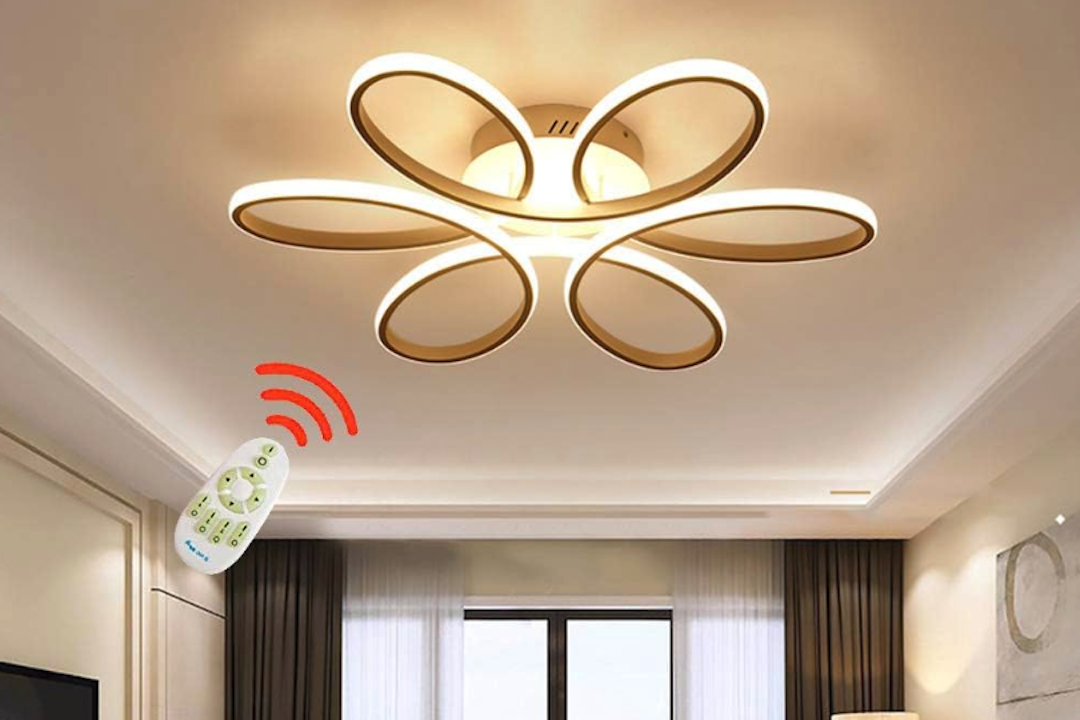

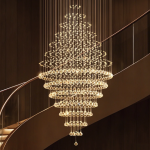
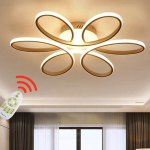
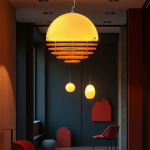
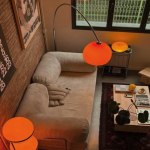
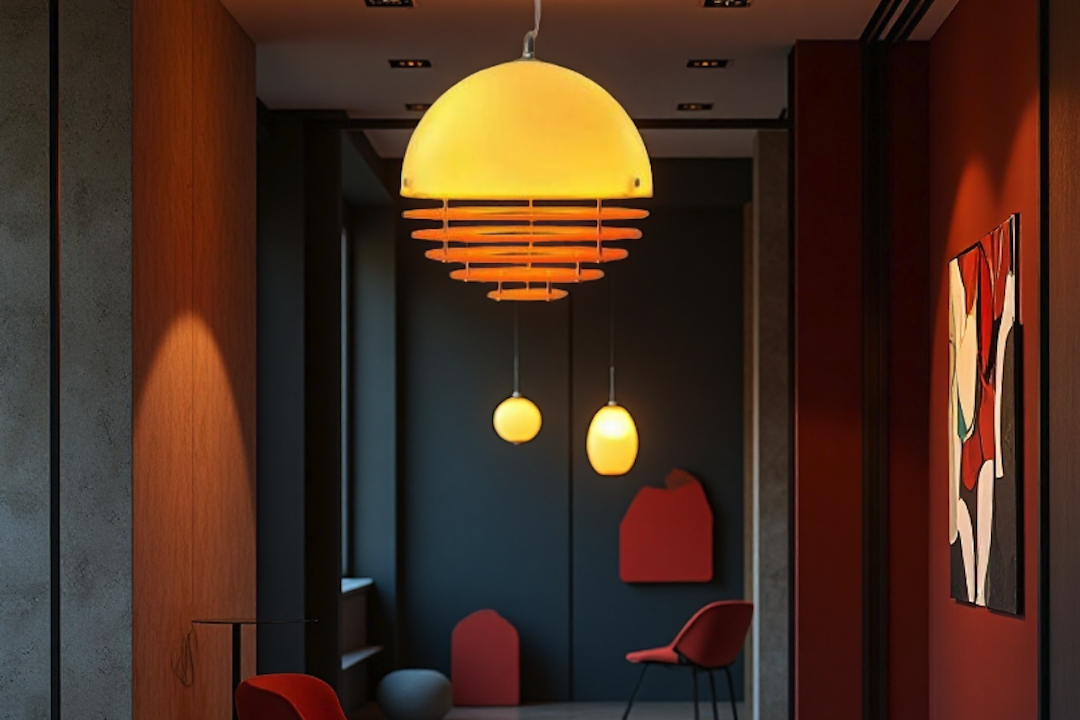
This article discusses the creation of ambiance through the use of diffused orange glow acrylic pendant lamps.
Light Tiroom is a fundamental element in shaping the atmosphere of a space. Its characteristics, such as color, intensity, and diffusion, play a significant role in human perception and emotional response. The deliberate use of lighting can transform a room from a functional area into a sanctuary, a hub of activity, or a setting conducive to relaxation.
The Psychology of Color in Lighting
Color has a profound effect on mood and perception. Warm colors, like orange, are often associated with feelings of comfort, coziness, and warmth. They can evoke a sense of energy and enthusiasm, but when diffused and softened, they can also promote relaxation and tranquility.
Orange: A Spectrum of Emotional Resonance
The color orange itself occupies a unique space in the spectrum, bridging the intensity of red with the cheerfulness of yellow. This duality means that orange light can be both stimulating and calming, depending on its shade, saturation, and how it is presented. A bold, saturated orange might energize, while a softer, more muted orange, diffused by a lampshade, can induce a sense of calm.
The Role of Warm Tones in Interior Design
In interior design, warm lighting is frequently employed to create inviting and intimate spaces. This type of lighting can make a room feel larger by drawing the eye inwards and creating a sense of depth. It is particularly effective in areas dedicated to social gathering or personal repose.
Factors Influencing Light Perception
Beyond color, several other factors influence how we perceive light and the ambiance it creates. These include the intensity of the light source, the direction from which it emanates, and how it interacts with the surfaces in a room.
Brightness and its Psychological Correlates
The brightness, or luminance, of a light source directly impacts our alertness and mood. High levels of brightness can be stimulating, while lower levels often encourage relaxation. The orange glow of a diffused lamp typically aims for a moderate to low luminance, promoting a sense of calm.
Diffusion: Softening the Light Source
Diffusion is the process by which light is scattered. A diffused light source, as opposed to a direct one, has its sharp edges softened and its intensity spread more evenly. This results in a gentler, more enveloping illumination, reducing harsh shadows and creating a more pleasing visual environment. Imagine the difference between staring directly at a bare light bulb versus looking at the moon on a clear night; the moon’s light appears soft and diffused due to atmospheric scattering and its own vast distance.
The Acrylic Pendant Lamp as a Lighting Tool
The acrylic pendant lamp, when designed with a diffused orange glow, becomes a specialized tool for ambiance creation. Its form, material, and the light it emits work in concert to achieve a specific aesthetic and emotional outcome.
Characteristics of Acrylic as a Lighting Material
Acrylic, a transparent thermoplastic, offers several advantages for lamp design. Its versatility allows for molding into various shapes, and it possesses good light-transmitting properties. When treated or designed to diffuse light, it can soften the illuminant within, creating the desired ethereal glow.
Translucency and Light Transmission
Acrylic can be manufactured in translucent forms, allowing light to pass through while obscuring the direct view of the light source. This translucency is key to achieving a diffused effect, preventing glare and creating a softer light quality.
Durability and Maintainability
Compared to glass, acrylic is generally more impact-resistant, making it a practical choice for certain applications. It is also relatively easy to clean and maintain, contributing to its long-term appeal.
The Pendant Lamp Form Factor
The pendant lamp, by its nature, hangs from the ceiling, positioning the light source at a specific height within a room. This placement allows for directional control and can be used to define different zones within an open-plan space or to highlight specific areas without flooding the entire room with light.
Defining Light Zones in a Space
A pendant lamp can act as a visual anchor, drawing attention to a dining table, a seating area, or a decorative element. Its hanging position allows it to create a localized pool of light, effectively carving out distinct spaces within a larger room.
Creating a Focal Point
The design and illumination of a pendant lamp can make it a significant decorative feature in its own right. When combined with a unique material and a captivating light quality, it can become a focal point that contributes to the overall aesthetic of the interior.
Achieving Ambiance with Diffused Orange Glow
The combination of a diffused orange glow and an acrylic pendant lamp is a deliberate design choice aimed at achieving a specific atmospheric effect. This combination is not merely about illumination but about crafting an experience within a space.
The Nature of the Diffused Orange Glow
The “diffused orange glow” refers to the visual quality of the light emitted. It is not a harsh or direct orange, but a softened, often warm and inviting, hue that permeates the surrounding area. This glow is the result of the interaction between the light source and the acrylic material, along with any internal diffusers.
The Color Temperature of Orange Light
Orange light generally falls within the warm end of the color temperature spectrum. While precise Kelvin ratings can vary, the impression is one of warmth, akin to the glow of a fireplace or the setting sun. This warmth is a primary contributor to its ambiance-creating properties.
The Effect of Diffusion on Light Intensity
Diffusion inherently reduces the perceived intensity of a light source by spreading its output over a larger area. This results in a more gentle illumination, which is conducive to relaxation and creates a less visually demanding environment.
How the Acrylic Pendant Lamp Delivers This Glow
The acrylic pendant lamp serves as the vessel for this specific lighting effect. The design of the lampshade, the type of acrylic used, and the light source within all contribute to the final diffusion and color quality.
Lamp Shade Design and Light Dispersion
The shape and internal structure of the lampshade are critical in how the light is dispersed. Designs that incorporate frosted or textured acrylic, or that have internal baffles or diffusers, are engineered to scatter light effectively, achieving the desired soft glow.
The Role of the Light Source
While the acrylic plays a crucial role in diffusion and color filtering, the actual light source (e.g., LED bulb) determines the initial color and intensity of the light. Choosing a bulb with the appropriate warmth and color rendering is essential to achieving the desired orange hue.
Practical Applications and Aesthetic Considerations
The diffused orange glow acrylic pendant lamp finds its place in a variety of settings, each leveraging its atmospheric qualities to enhance the user experience and aesthetic of the space.
Creating Intimate and Relaxing Environments
The primary application of this type of lighting is in fostering an atmosphere of intimacy and relaxation. The warm, diffused glow is naturally calming and can transform a bustling space into a serene retreat.
Enhancing Living Rooms and Lounges
In living rooms and lounge areas, these lamps can be used to create a cozy evening ambiance. They are particularly effective when placed above seating areas, such as sofas or armchairs, to provide a gentle, unobtrusive light for reading or conversation.
Promoting Sleep Hygiene in Bedrooms
While brighter, cooler lights are often recommended for active periods in the bedroom, a diffused orange glow can be beneficial for winding down before sleep. It can signal to the body that it is time to relax, without the stimulating effects of bluer light wavelengths.
Integrating into Diverse Interior Design Styles
The aesthetic appeal of a diffused orange glow acrylic pendant lamp allows it to complement a range of interior design styles, from modern minimalist to more eclectic or bohemian.
Modern and Contemporary Settings
In contemporary interiors, the clean lines and often geometric forms of acrylic pendant lamps can offer a sophisticated touch. The warm glow provides a contrast to cooler-toned furniture and materials, adding a layer of comfort.
Bohemian and Eclectic Decor
For spaces with a more bohemian or eclectic aesthetic, the warm, inviting light of an orange-hued lamp can enhance the feeling of handcrafted charm and worldly influence. It can complement natural materials like wood, rattan, and textiles.
Transitional and Traditional Spaces
Even in more traditional settings, a well-chosen acrylic pendant lamp with a diffused orange glow can offer a contemporary update or a subtle accent. Its versatility lies in its ability to adapt to existing color palettes and moods.
Considerations for Selection and Placement
Choosing and positioning a diffused orange glow acrylic pendant lamp involves several practical considerations to ensure it effectively contributes to the desired ambiance.
Balancing Illumination Needs with Ambiance
It is important to consider the functional lighting requirements of a space alongside the desire for ambiance. A diffused orange glow lamp might be ideal for creating mood but may not be sufficient as the sole source of light for tasks requiring higher illumination levels.
Task Lighting vs. Ambient Lighting
Ambient lighting is designed to provide overall illumination for a room, while task lighting is focused on specific activities like reading or cooking. A diffused orange glow lamp typically serves as an ambient light source, contributing to the general atmosphere.
Layering Light for Optimal Effect
The most effective lighting strategies often involve layering different types of light. This could include combining a diffused orange glow pendant lamp with more functional task lighting and accent lighting to highlight specific features.
Material Properties and Maintenance
Understanding the properties of acrylic and its maintenance requirements is important for long-term satisfaction with the lamp.
UV Resistance and Color Fading
Some acrylics can be susceptible to UV degradation and may yellow or fade over time, especially if exposed to direct sunlight. When selecting a lamp, consider materials that offer better UV resistance or ensure the lamp is not placed in direct sunlight.
Cleaning and Care Instructions
Acrylic surfaces can be scratched if not cleaned properly. It is typical to use a soft cloth and a mild soap or a specialized acrylic cleaner. Avoiding abrasive materials is crucial to maintaining the clarity and diffusion properties of the acrylic.
Placement Strategies for Maximum Impact
The strategic placement of a pendant lamp can significantly influence its effect on the room’s ambiance.
Height and Drop Length
The distance the pendant lamp hangs from the ceiling is critical. Too high, and its defining effect is diminished; too low, and it can obstruct views or become a hazard. The ideal drop length depends on the ceiling height and the intended use of the space below. For example, above a dining table, the lamp needs to be low enough to illuminate the table but high enough to allow for easy conversation and unobstructed views across the table.
Proximity to Other Light Sources
Consider how the orange glow will interact with other light sources in the room. Mixing too many disparate light colors can create a visually chaotic environment. Ideally, other light sources should complement the warm tones of the orange glow, or be capable of being dimmed or switched off when the pendant lamp is in use.
Visual Weight and Scale
The physical size and visual weight of the pendant lamp should be appropriate for the scale of the room and the furniture within it. A large, imposing lamp in a small room can feel overwhelming, while a small lamp in a large space may get lost.
The Enduring Appeal of Warm, Diffused Light
The creation of ambiance with a diffused orange glow acrylic pendant lamp taps into a fundamental human appreciation for warmth and comfort. The interplay of color, diffusion, and form creates a lighting element that is not merely functional but also emotionally resonant. As interior design continues to prioritize well-being and sensory experience, lighting solutions that offer nuanced atmospheric control, like the diffused orange glow acrylic pendant lamp, are likely to remain a popular choice. They offer a simple yet effective way to imbue a space with character and a sense of inviting tranquility.