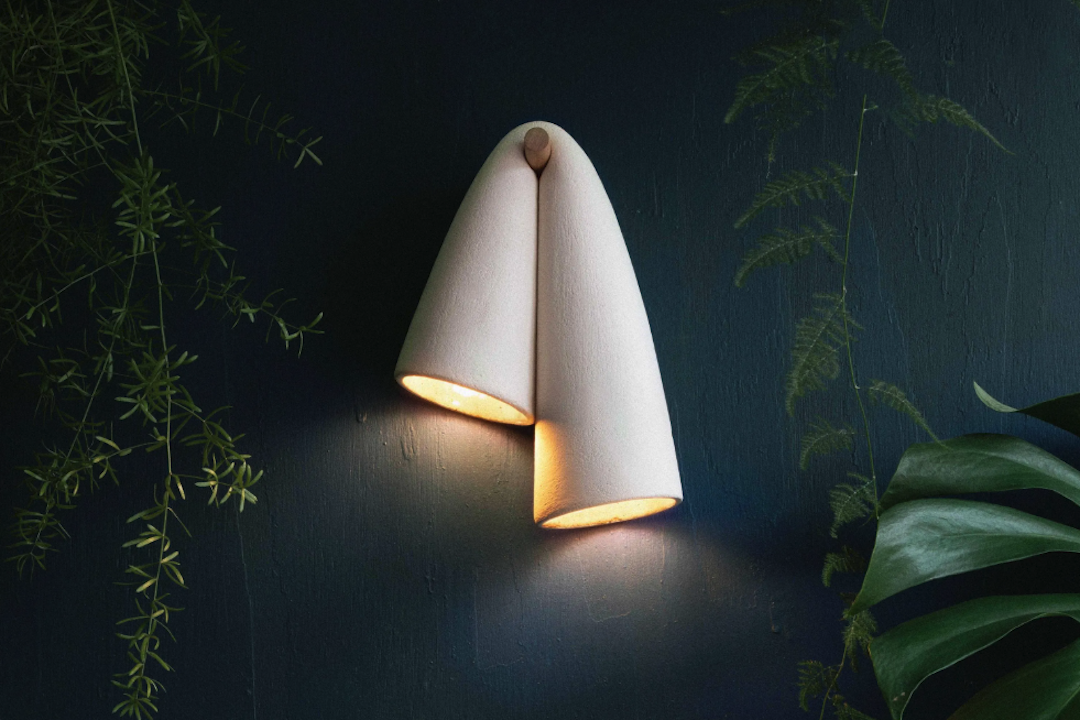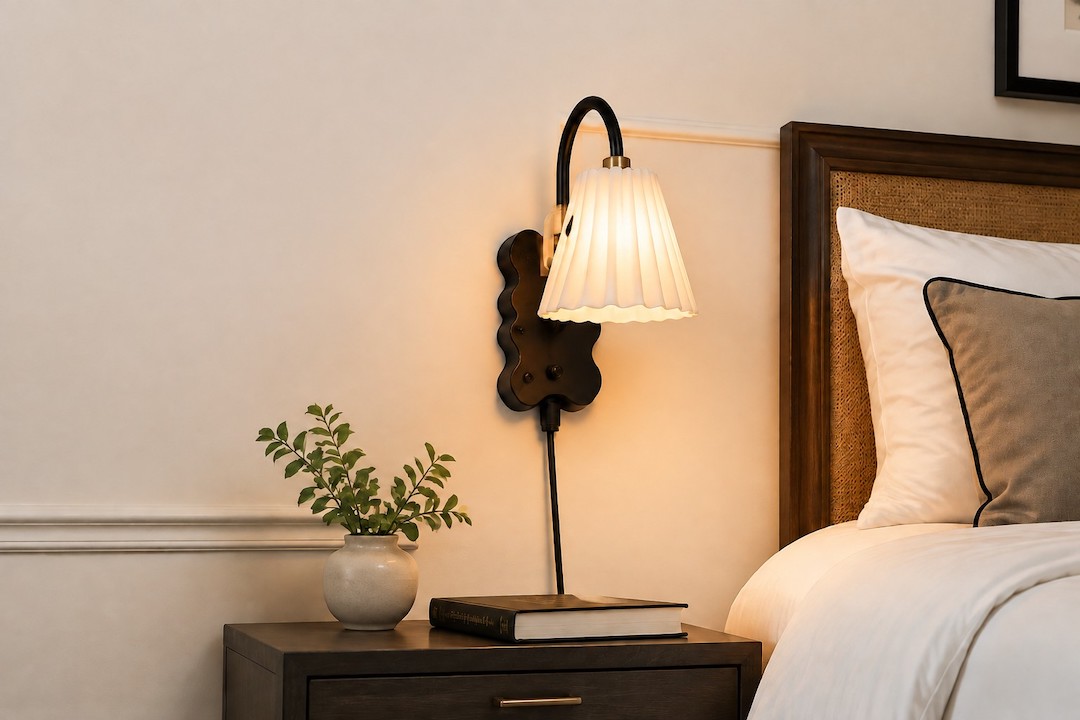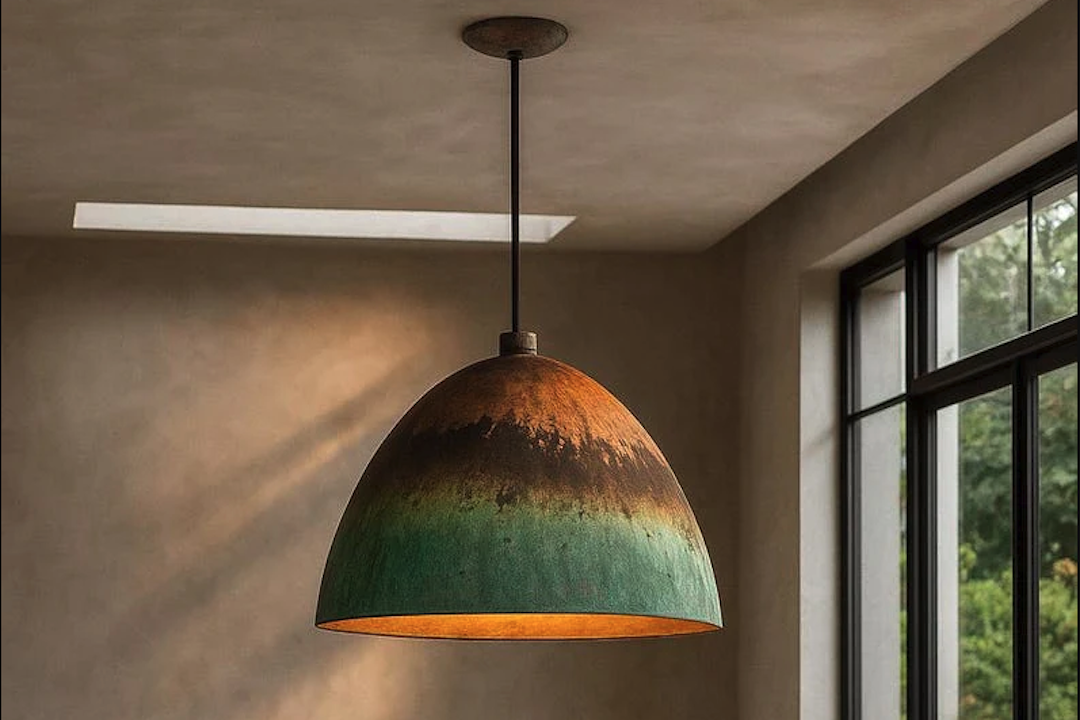
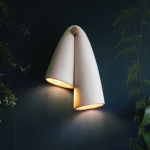

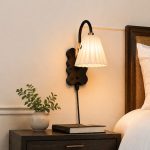
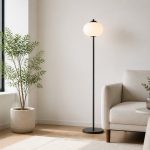
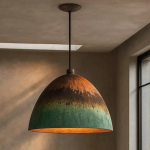

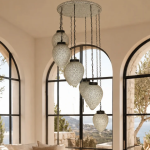
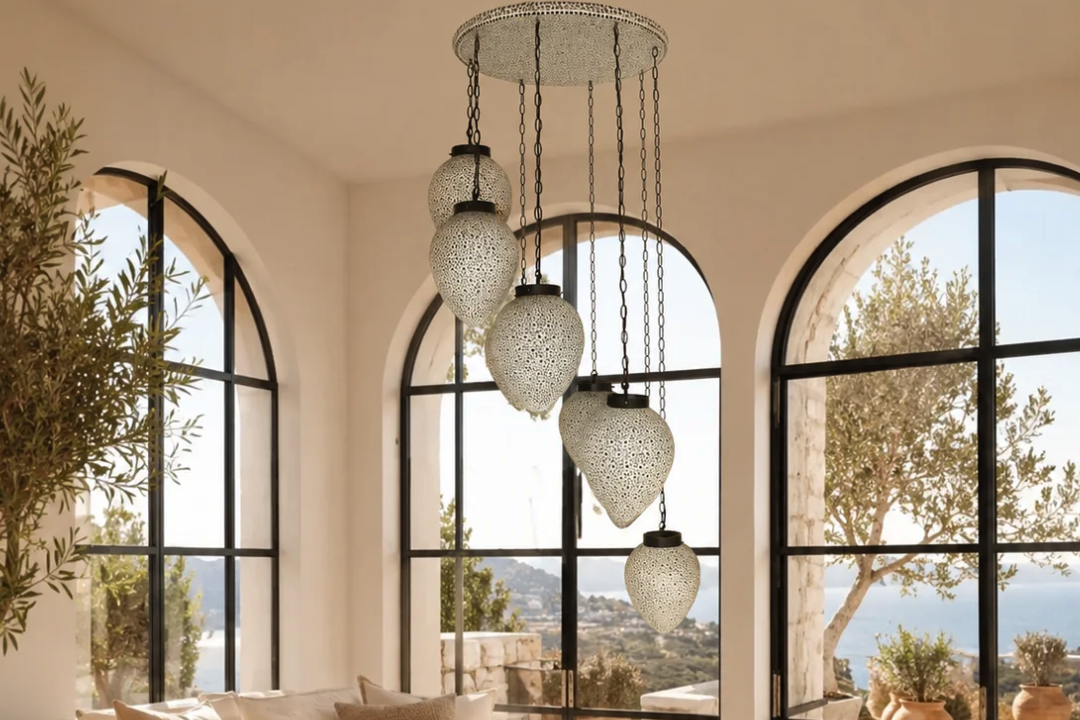
Thinking about a lighting upgrade? A teardrop pendant lamp can bring a surprising amount of style and functionality to your space. These lamps, with their elegant, tapering form, offer more than just light – they’re a design statement that can elevate the entire room’s aesthetic. Forget the harsh, utilitarian overhead lights; a well-placed teardrop pendant provides focused illumination and a touch of sophistication that’s hard to beat.
It’s easy to dismiss lighting as purely practical, but the right fixture transforms a room. Teardrop pendants are particularly good at this because of their distinctive shape. They’re not just a bulb in a shade; they’re sculptural pieces that draw the eye.
Blends Modern and Classic Styles
One of the great things about teardrop pendants is their versatility. Whether your home leans contemporary, industrial, or even a bit art deco, you can find a teardrop design that fits. Their clean lines often mean they mesh well with modern aesthetics, but the inherent grace of the shape also allows them to complement more classic or traditional decor without looking out of place. This adaptability is a huge selling point – you’re not locked into a single design trend.
Creates a Focal Point
Ever walked into a room and felt like something was missing? Often, it’s a lack of a strong focal point. A strategically placed teardrop pendant, especially if it’s a bit larger or features a unique finish, immediately draws attention. It can anchor a seating area, highlight an island, or even serve as the key visual element in an entryway. This helps to define the space and gives the eye a natural place to rest, making the room feel more intentional and less haphazard.
Offers Targeted Illumination
Unlike a large flush-mount ceiling light that tries to illuminate everything, teardrop pendants excel at focused lighting. This is fantastic for tasks – imagine reading under a soft glow, or easily chopping vegetables on your kitchen counter. It’s also brilliant for creating ambiance. When you don’t need a blast of light across the whole room, these pendants can create pools of light that add warmth and intimacy, perfect for dinner parties or relaxing evenings.
Finding the Right Fit: Size, Material, and Finish
With so many options out there, choosing the right teardrop pendant can feel daunting. But by considering a few key factors, you can narrow down the choices and find something that truly suits your home.
Sizing Up Your Space
The size of your pendant light makes a huge difference. Too small, and it’ll get lost; too large, and it’ll overwhelm the space.
- For Kitchen Islands: A common application. Consider the length of your island. For shorter islands, one larger pendant might work, but for longer ones, a row of two or three smaller pendants often looks best. Leave enough space between them to prevent a cluttered look, typically 20-30 inches apart.
- Over Dining Tables: Similar to islands, the length of your table dictates the number and size. A good rule of thumb is that the pendant (or combined width of multiple pendants) should be about one-half to two-thirds the width of the table. You want the light to illuminate the table, not disappear above it.
- Entryways and Hallways: Here, scale is crucial. In a grand, high-ceilinged entryway, a larger, more dramatic pendant can make a statement. In a smaller hallway, a single, modest pendant might be all you need to add a touch of elegance without overcrowding the area.
- Bedroom Accents: Instead of traditional bedside lamps Vanhouzen, try hanging smaller teardrop pendants on either side of the bed. This frees up nightstand space and adds a modern, sophisticated touch. Ensure they hang low enough to provide reading light but high enough not to be in the way.
Exploring Material Options
The material profoundly impacts the lamp’s aesthetic and how it diffuses light.
- Glass (Clear, Frosted, Smoked): Glass is a classic choice for teardrop pendants. Clear glass offers maximum light output and a crisp, modern look. Frosted or etched glass diffuses light, creating a softer, more ambient glow, which can be lovely in a bedroom or dining area. Smoked glass adds a touch of drama and can create a more subdued, contemporary feel.
- Metal (Brass, Chrome, Blackened Steel): Metal pendants tend to have a more industrial or contemporary edge. Brass can add warmth and a touch of vintage charm. Chrome is sleek and modern, while blackened steel (or matte black) offers a bold, minimalist statement. These materials often direct light downwards, making them excellent for task lighting.
- Wood: For a natural, organic, or Scandinavian-inspired look, wood teardrop pendants are fantastic. They offer warmth and texture, often diffusing light softly through gaps or perforations in the wood.
- Fabric: While less common for the classic teardrop shape, some designs incorporate fabric shades which create a very soft, diffused light, ideal for ambiance in living rooms or bedrooms.
Choosing the Right Finish
The finish is the final touch that ties everything together.
- Polished/Glossy: Reflective finishes like polished chrome or brass add sparkle and bounce light around the room, making a space feel brighter and more open.
- Matte/Satin: Matte black, brushed nickel, or satin brass finishes are more understated. They absorb light rather than reflect it, creating a sophisticated, contemporary look that is less prone to fingerprints. These are great for adding a subtle elegance.
- Antiqued/Patina: Finishes like antiqued brass or bronze offer a vintage, rustic, or industrial feel. They have a worn, lived-in quality that adds character and depth to a space.
Installation and Placement Tips for Impact
Getting the installation right is just as important as choosing the right lamp. A poorly hung light can detract from even the most beautiful fixture.
Hanging Height Matters
This is arguably the most critical aspect of pendant lighting. The ‘perfect’ height isn’t universal; it depends on where the light is located and what it’s illuminating.
- Over Kitchen Islands/Bars: A general guideline is to hang pendants about 30-36 inches (75-90 cm) above the countertop. This allows for ample task lighting without obstructing the view or getting in the way of people working or conversing. Taller individuals might prefer them a bit higher.
- Over Dining Tables: Aim for 30-34 inches (75-85 cm) from the bottom of the pendant to the tabletop. This ensures good illumination for dining without dazzling diners or hindering conversation across the table.
- In Open Spaces (Entryways, Living Rooms): For overhead general lighting in areas where people walk underneath, the bottom of the fixture should generally be at least 7 feet (2.1 meters) from the floor. This prevents people from bumping their heads and ensures the light spreads effectively.
- Bedside Pendants: If replacing bedside lamps, hang them so the bottom of the fixture is roughly at eye level when sitting up in bed. This makes them ideal for reading without shining directly into your eyes.
Grouping and Spacing
Often, one just isn’t enough. Grouping teardrop pendants can create more visual interest and provide better overall illumination.
- Linear Arranges: Over an island or long dining table, maintaining consistent spacing between multiple pendants is key. Use a measuring tape to ensure even distribution. The number of pendants depends on the feature’s length and the size of each pendant.
- Clusters: In an entryway or stairwell with a high ceiling, a cluster of teardrop pendants – perhaps at varying heights – can create a dramatic, sculptural statement. Use a multi-port canopy to achieve this look neatly.
- Visual Balance: When grouping, step back and assess the overall visual weight. Do they look balanced? Is there enough space between them so they don’t feel crowded? The goal is enhancement, not visual noise.
Dimmer Switches are Your Friend
This is a practical tip that makes a huge difference. Always install your pendant lights (or ensure they’re on a circuit with) a dimmer switch. This allows you to adjust the light intensity, transforming the ambiance of a room instantly. Bright for tasks, dim for relaxation – it’s incredibly versatile and highly recommended.
Teardrop Pendant Styles: From Minimalist to Statement
The beauty of the teardrop shape is its adaptability. It can be sleek and subtle or ornate and eye-catching, depending on the design.
Modern Minimalist Teardrops
These often feature clear or lightly frosted glass, simple metal accents (like matte black or brushed nickel), and a very clean, straightforward silhouette. The focus is on the pure form and how it interacts with light. They blend seamlessly into contemporary or Scandinavian-inspired interiors, offering elegance without fuss. They’re fantastic for maintaining an uncluttered look while still providing effective lighting. Think simple, clean lines and a focus on transparency.
Industrial-Inspired Teardrops
These pendants often incorporate metal cages, exposed bulbs, or finishes like distressed brass, blackened steel, or bronze. The “teardrop” might be housed within a more robust metal frame or feature visible hardware. They bring a raw, utilitarian charm that perfectly complements industrial lofts, urban apartments, or spaces aiming for a vintage factory aesthetic. These are often great for adding a bit of edge.
Artistic and Sculptural Teardrops
Here, the teardrop shape becomes a canvas for more intricate design. This might involve textured glass, unique blown glass patterns, or even layered glass elements that create visual depth. Some feature delicate filigree metalwork or unexpected combinations of materials. These pendants are true statement pieces, acting as art installations that also happen to provide light. They’re perfect for adding a “wow” factor to a room, perhaps above a staircase or in a grand living area.
Traditional Yet Refined Teardrops
While often associated with modern design, teardrop shapes can certainly fit into more traditional settings. Look for designs with classic finishes like polished brass, antique bronze, or even crystal accents. The shape might be slightly more elongated or subtly fluted. These pendants offer a touch of classic elegance and can bridge the gap between traditional furnishings and a desire for an updated lighting scheme.
Maintenance and Bulb Choices
Taking care of your pendant and choosing the right bulbs ensures it looks great and performs optimally for years.
Keeping It Clean
Teardrop pendants are generally easy to maintain. For glass, a soft, lint-free cloth and a glass cleaner are usually sufficient. For metal, simply dust regularly with a dry or slightly damp cloth. Avoid harsh chemicals, especially on special finishes like antiqued brass, as they can strip the patina. Always turn off the power to the fixture before cleaning.
Bulb Types and Temperatures
The type of bulb you choose significantly impacts the light quality.
- LEDs (Light Emitting Diodes): The most energy-efficient option. They last a very long time, consume minimal power, and come in a wide range of color temperatures. They’re an excellent choice for almost any application.
- Incandescent/Halogen: These produce a warm, natural light but are less energy-efficient and generate more heat. They’re still preferred by some for their specific light quality, though they are becoming less common due to energy regulations.
- Filament Bulbs (Edison Bulbs): These are essentially incandescent bulbs with decorative filaments. They’re popular for their vintage aesthetic and warm, amber glow, often used in clear glass pendants to be admired. Keep in mind they are for ambiance rather than strong illumination.
Understanding Color Temperature (Kelvin Scale)
This refers to how “warm” or “cool” the light appears:
- 2700K – 3000K (Warm White): This is a soft, yellowish light, similar to traditional incandescent bulbs. It’s excellent for creating a cozy, inviting atmosphere in living rooms, bedrooms, or dining areas.
- 3500K – 4000K (Neutral/Cool White): This light is brighter and more neutral, good for task lighting in kitchens, home offices, or bathrooms where you need clear visibility.
- 5000K+ (Daylight): A very bright, bluish-white light that mimics natural daylight. While sometimes used in task-oriented areas, it can feel harsh in residential settings for general illumination.
For most residential pendant applications, especially for ambiance or general lighting, 2700K-3000K is a common and popular choice, providing that comfortable, warm glow. If it’s a dedicated task light in a kitchen, 3500K-4000K might be more appropriate.
In closing, a teardrop pendant lamp is far more than just a light source. It’s a key design element that can define a space, add sophistication, and provide tailored illumination. By carefully considering size, material, placement, and bulb choice, you can select and install a fixture that truly enhances your home, proving that good lighting is indeed an art form.